

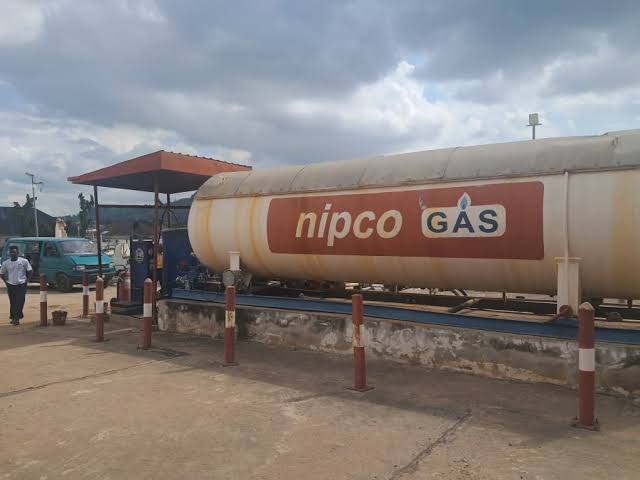
Lawal Taofeek, a spokesperson for NIPCO, attributed the fluctuations to changes in global energy prices. He said international market movements were affecting domestic cooking gas prices.
The development follows a period of easing LPG prices in August, when reductions by the Dangote Refinery and depot operators reportedly provided some relief to consumers.
Figures from the Nigerian Midstream and Downstream Petroleum Regulatory Authority’s August 2026 factsheet also showed that average daily LPG imports increased by 44 per cent, rising from 0.9 kilotonnes to 1.3 kilotonnes. However, the increase in imports has not prevented retail prices from fluctuating.
The continued price changes are putting pressure on households already managing rising living costs. Cooking gas is an important household energy source, and increases in its price can make routine cooking expenses more difficult to manage.
With prices differing across retail outlets, consumers may need to compare local prices before refilling their cylinders. The latest market survey reflects conditions in Abuja and its environs and should not be treated as a nationwide price average.
Reporting by TalkNaija Media





Reader Comments (0)
No comments yet. Be the first to share your perspective on this report.