

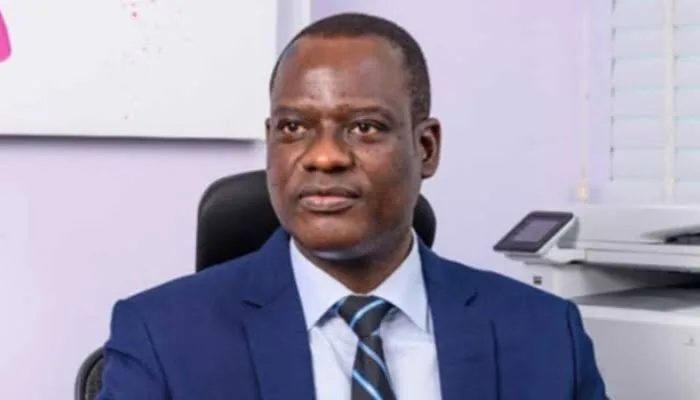
IMF Managing Director Kristalina Georgieva and World Bank Senior Managing Director Axel van Trotsenburg, representing World Bank President Ajay Banga, joined other governors in acknowledging Oyedele’s leadership of discussions on development financing and reforms to the global financial system.
The G-24 meeting focused on rising borrowing costs, mounting debt obligations and the difficulties developing countries face in securing affordable funds for infrastructure, public services and economic growth.
Oyedele called for a more inclusive international financial system, improved access to concessional financing and faster resolution of sovereign debt crises. He warned that the growing cost of servicing debt was limiting the ability of developing economies to invest in job creation and social development.
Reuters reported during the meetings that developing countries were paying approximately $500 billion more in debt-servicing costs than developed economies. The G-24 argued that greater access to affordable financing would help vulnerable countries manage these pressures while supporting sustainable growth.
The Nigerian minister also advocated a balanced approach to domestic revenue generation, cautioning against placing excessive tax burdens on vulnerable households and productive sectors. He called for better revenue collection, reduced waste and careful decisions on taxation and borrowing.
During discussions on Africa’s economic prospects, Oyedele presented Nigeria’s experience with fuel subsidy removal, foreign exchange reforms and tax changes as part of the country’s efforts to improve its economic management. He also highlighted measures such as cash transfers and education support intended to cushion vulnerable citizens against the effects of reforms.
World Bank President Ajay Banga also met with Oyedele and Central Bank of Nigeria Governor Olayemi Cardoso during the meetings. The Nigerian government’s account of the engagement highlighted the country’s reform progress and increased private capital inflows.
Figures cited in the report placed private capital inflows at about $300 million in 2023, compared with nearly $6 billion in 2026. However, the significance of the increase will depend on the nature of the investments, how long they are sustained and the extent to which they support productive businesses and employment.
Oyedele’s recognition at the international meetings comes as Nigeria continues to face pressure to translate economic reforms into tangible improvements in living standards. Although stronger investment and improved public revenue can support economic recovery, households and businesses remain concerned about affordability, purchasing power and access to opportunities.
The challenge for the government is to ensure that reforms deliver lasting benefits, including more productive jobs, stronger domestic businesses and improved public services, while protecting vulnerable citizens from disproportionate hardship.
Oyedele’s role at the G-24 meeting therefore represents a diplomatic achievement for Nigeria, while the wider test remains whether international partnerships, increased investment and domestic reforms can produce measurable gains for the Nigerian economy.
Reporting by TalkNaija Media



Reader Comments (0)
No comments yet. Be the first to share your perspective on this report.