

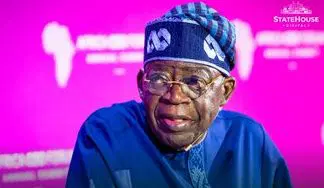
The admission came amid renewed debate over the state of the Nigerian economy and President Tinubu’s chances of securing a second term in the 2027 presidential election.
The debate was triggered in part by a recent analysis by The Economist, published on October 1, which argued that Tinubu could still win the 2027 election despite widespread dissatisfaction with his administration.
In its report titled “Nigerians Dislike Their President, But May Re-elect Him Anyway,” the British publication pointed to insecurity, economic hardship and the fragmented opposition as factors shaping the President’s re-election prospects. It also highlighted the advantages traditionally enjoyed by incumbents in Nigerian elections.
The Presidency has strongly rejected the publication’s assessment of public opinion.
Sunday Dare, Special Adviser to President Tinubu on Media and Public Communications, criticised the report, arguing that it presented what he described as an overly negative and incomplete picture of Nigeria under the current administration.
Separately, Daniel Bwala, Special Adviser to the President on Policy Communication, questioned the basis for making a broad claim about Nigerians’ feelings toward Tinubu without a nationwide survey.
Speaking on Channels Television’s Politics Today, Bwala argued that while some Nigerians may be dissatisfied with the administration, others have benefited from government programmes in areas including education, agriculture and manufacturing.
He cited initiatives such as the Nigerian Education Loan Fund (NELFUND) as examples of policies that the government believes are providing tangible assistance to citizens.
Bwala was also asked directly whether more Nigerians had been pushed into poverty since Tinubu assumed office.
He acknowledged that this had happened, but argued that the increase should be viewed within the context of the economic restructuring being undertaken by the administration.
According to him, major reforms rarely come without short-term pain, particularly in an economy that was already facing significant structural problems before the current government came into office.
The presidential aide maintained that the government deliberately chose to undertake difficult reforms rather than continue postponing measures that previous administrations had avoided.
The Presidency has repeatedly defended the removal of the petrol subsidy and other economic measures as necessary steps toward addressing longstanding distortions in the economy.
Government officials have also pointed to improvements in areas such as government revenue, investment and macroeconomic stability as evidence that the reforms are beginning to produce results, even though the benefits have not yet been evenly felt by households across the country.
However, the economic difficulties remain a major political issue ahead of the 2027 election. The Economist report noted that the reforms have been welcomed by some investors but have yet to translate into significantly improved living conditions for many Nigerians.
The publication also highlighted insecurity, particularly in parts of northern Nigeria, as another major challenge facing the administration.
The Presidency, however, insists that the government inherited deep-rooted economic problems and that reversing decades of structural weaknesses cannot be achieved without some level of disruption.
With the 2027 presidential election approaching, the disagreement between the government and its critics is likely to remain a central part of the political debate: whether the current hardship represents an unavoidable phase of economic reform or evidence that the administration's policies are failing to deliver sufficient relief to ordinary Nigerians.
For now, the Presidency maintains that the reforms are laying the foundation for a stronger economy, while acknowledging that many citizens are still struggling with the immediate consequences.
Reporting by TalkNaijaMedia




Reader Comments (0)
No comments yet. Be the first to share your perspective on this report.