


According to Zelensky, a drone attack on a power plant in Kyiv caused electricity outages in parts of the Ukrainian capital. He later reported a strike on the CHP-5 thermal power plant in Kharkiv, in eastern Ukraine, as Russian drones continued operating in the country’s airspace.
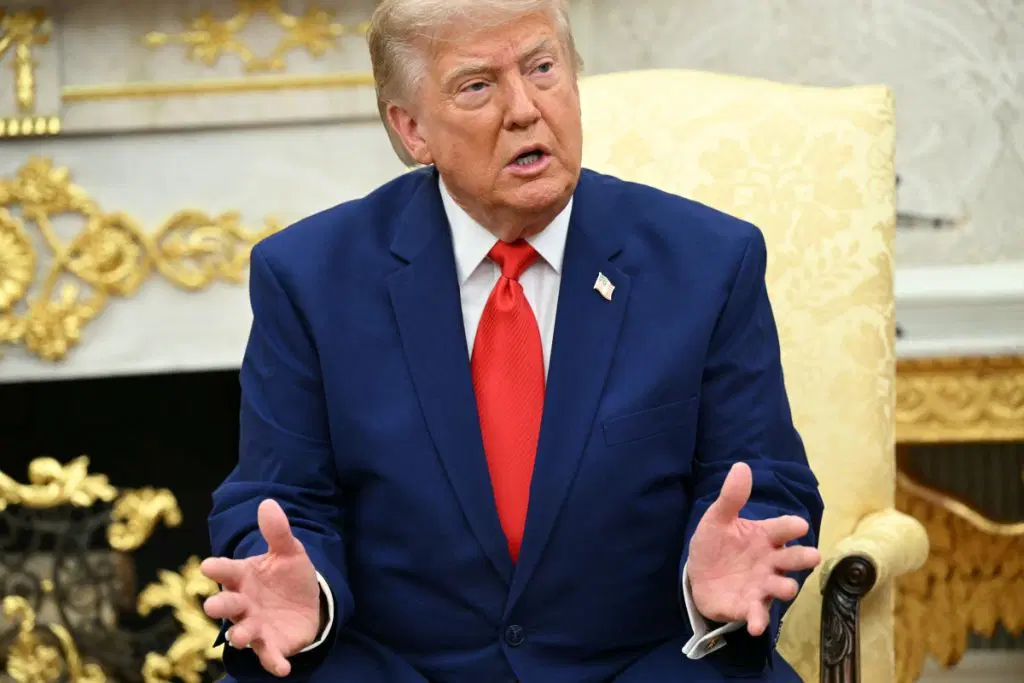
Trump had announced the proposed ceasefire in a post on his Truth Social platform, stating that both sides had agreed to stop attacks on energy infrastructure. However, he did not provide details about the terms, duration or implementation of the arrangement.
Zelensky expressed surprise at the announcement, saying he had not received sufficient information about the reported agreement. Russia had also not publicly confirmed its acceptance of the proposed ceasefire in reports available on Sunday.
The Ukrainian leader said his country was prepared to support the arrangement if Moscow also committed to ending attacks on energy facilities. He subsequently called for the announcement to be translated into a genuine agreement that both sides would respect.
The uncertainty surrounding the proposed truce comes amid continued attacks on energy infrastructure during Russia’s war against Ukraine, which began with Moscow’s full-scale invasion in February 2022.
Russian attacks have repeatedly damaged Ukrainian electricity and heating facilities, while Ukraine has carried out strikes against Russian oil refineries and other energy installations. Kyiv has argued that Russian energy revenues help finance the war, while Moscow’s attacks have placed pressure on Ukraine’s electricity supply.
Trump’s announcement also comes amid disagreements between Washington and Kyiv over energy policy and the impact of the war on fuel prices.
The US president recently moved to ease certain sanctions affecting Russian diesel supplies, a decision that drew criticism from Ukrainian officials and some of Washington’s European allies. Critics argued that allowing additional Russian fuel exports could provide Moscow with economic benefits while the conflict continues.
Zelensky described the move as a weak decision and questioned its fairness to Ukraine and its partners. Trump, meanwhile, has blamed Ukrainian attacks on Russian refineries for contributing to higher diesel prices and has pressed Kyiv to change its approach.
The disagreement intensified after Trump suggested that Ukraine needed a new president capable of reaching a settlement with Russia. Zelensky rejected the suggestion, maintaining that the choice of Ukraine’s leadership belongs to its citizens.
The Ukrainian president also linked rising fuel prices to the wider conflict in the Middle East and disruptions to shipping through the Strait of Hormuz.
Several Western leaders have continued to express support for Kyiv amid the dispute. Canadian Prime Minister Mark Carney criticised the Russian diesel arrangement, while European Commission President Ursula von der Leyen backed calls for a ceasefire that would protect energy infrastructure and global food supplies.
French President Emmanuel Macron also voiced support for a genuine energy truce, accusing Russia of continuing to intensify attacks on Ukrainian infrastructure. Germany reiterated its support for Zelensky and the Ukrainian government.
The latest strikes have raised fresh questions about whether the ceasefire announced by Trump can take effect without a clearly communicated and mutually acknowledged agreement.
For Ukraine, an effective halt to attacks on energy facilities could help protect electricity supplies and reduce the risk of further disruption as the war continues. However, the reported strikes in Kyiv and Kharkiv show that the situation remained uncertain following Trump’s announcement.
As of the latest reports, there was no clear confirmation from Moscow that it had formally accepted the proposed arrangement. The next steps will depend on whether Russia and Ukraine receive and agree to specific terms and demonstrate a willingness to comply.
Reporting by TalkNaijaMedia




Reader Comments (0)
No comments yet. Be the first to share your perspective on this report.