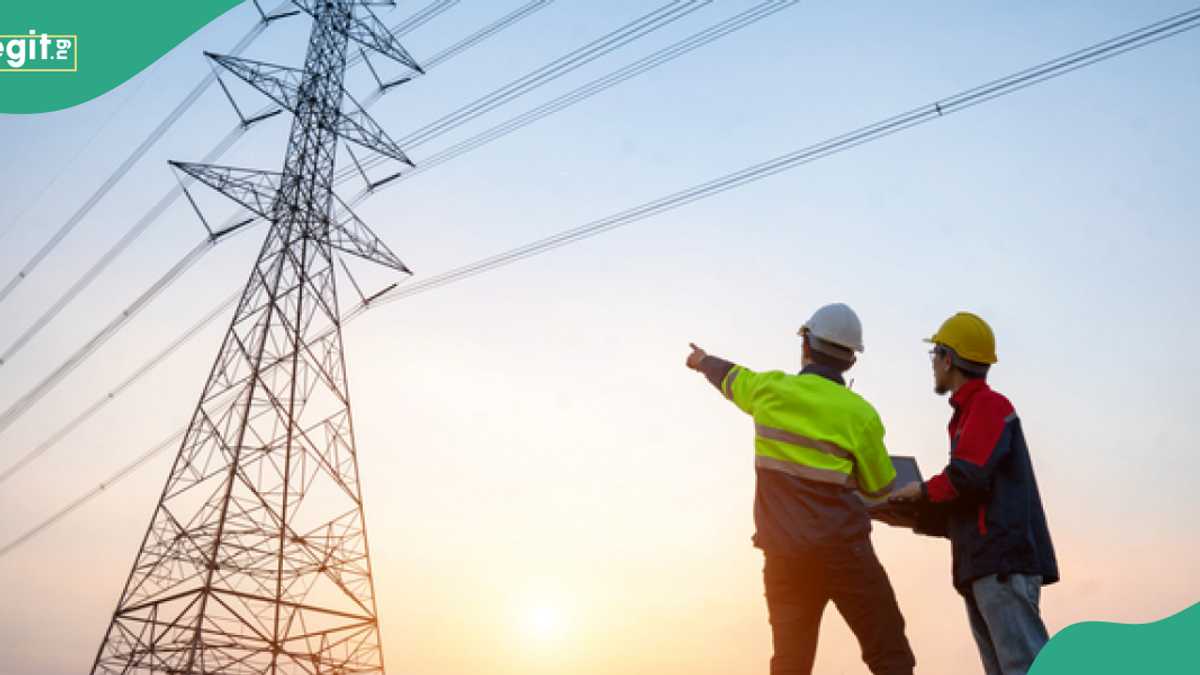
However, TCN rejected the explanation in a statement released on Friday, November 6, insisting that reduced electricity generation and operational challenges within Ikeja Electric's distribution network were responsible for much of the disruption.
The transmission company maintained that its operational records did not show any equipment failure or transmission line trip responsible for the interruptions under review.
According to TCN, the Nigerian Independent System Operator (NISO) had earlier explained that the decline in electricity generation was caused by inadequate gas supply to thermal power stations and reduced water inflows into hydroelectric reservoirs.
The resulting reduction in power generation meant less electricity was available for distribution companies, forcing operators to implement load shedding and reduce supply hours to consumers.
TCN also cited Section 67 of the Electricity Act 2023, arguing that determining the causes of disturbances, electricity shortfalls and interruptions on the national grid falls within NISO's statutory responsibilities.
The company insisted that electricity distribution companies should obtain verified operational information before attributing supply disruptions to transmission infrastructure.
TCN Releases Breakdown of Power Interruptions
To support its position, TCN provided figures covering interruptions recorded on feeders supplying Ikeja Electric on November 1 and 2, 2026.
According to the transmission company, 68 per cent of the interruptions resulted from frequency-control load shedding caused by insufficient electricity generation.
Another 26 per cent were attributed to Ikeja Electric's alleged failure to comply with power allocation instructions, alongside faults and maintenance activities within its distribution network.
The remaining six per cent involved TCN's scheduled maintenance, switching operations and transmission line limitations.
TCN stressed that none of the interruptions captured in the records resulted from equipment failure or a trip on its transmission network.
The company also examined 46 interruptions recorded on the 33kV feeders identified in Ikeja Electric's public notice.
Of the total, 29 were linked to frequency-control load shedding arising from inadequate electricity generation, while 14 were attributed to Ikeja Electric.
TCN explained that nine of the 14 interruptions resulted from alleged non-compliance with electricity allocation instructions, while the remaining five involved faults or trips within Ikeja Electric's network.
The other three interruptions were linked to scheduled maintenance on TCN's Ogba-Alimosho transmission line on November 1.
The transmission company further cited the Rack Centre feeder, which it said experienced an interruption on November 2 following a cable fault within Ikeja Electric's network. According to TCN, the distribution company's technical team subsequently repaired the fault.
It also noted that Ikeja Electric's own public notice identified some feeders, including MTN, Iju Water Works and Rack Centre, as having experienced 33kV faults associated with its distribution network.
TCN Warns Against Misleading Electricity Consumers
TCN warned that attributing electricity shortages caused by inadequate generation to transmission network failures could confuse consumers, weaken public confidence and distract attention from the actual challenges facing the power sector.
It urged Ikeja Electric and other distribution companies to rely on verified information from NISO before issuing public explanations about the causes of electricity interruptions.
The transmission company also expressed sympathy for customers experiencing reduced electricity supply, assuring them of its commitment to transmitting all available electricity safely and efficiently.
It added that it would continue working with NISO, electricity generation companies and distribution companies to address operational challenges and improve power supply across the country.
The disagreement has further highlighted the accountability challenges within Nigeria's electricity industry, where consumers continue to face unreliable supply despite ongoing efforts to improve generation, transmission and distribution.
For many households and businesses in Lagos, the immediate concern remains when electricity supply will return to more stable levels, as the disagreement between the two power sector operators raises fresh questions about responsibility for the persistent outages.
Reporting by TalkNaijaMedia



Reader Comments (0)
No comments yet. Be the first to share your perspective on this report.