

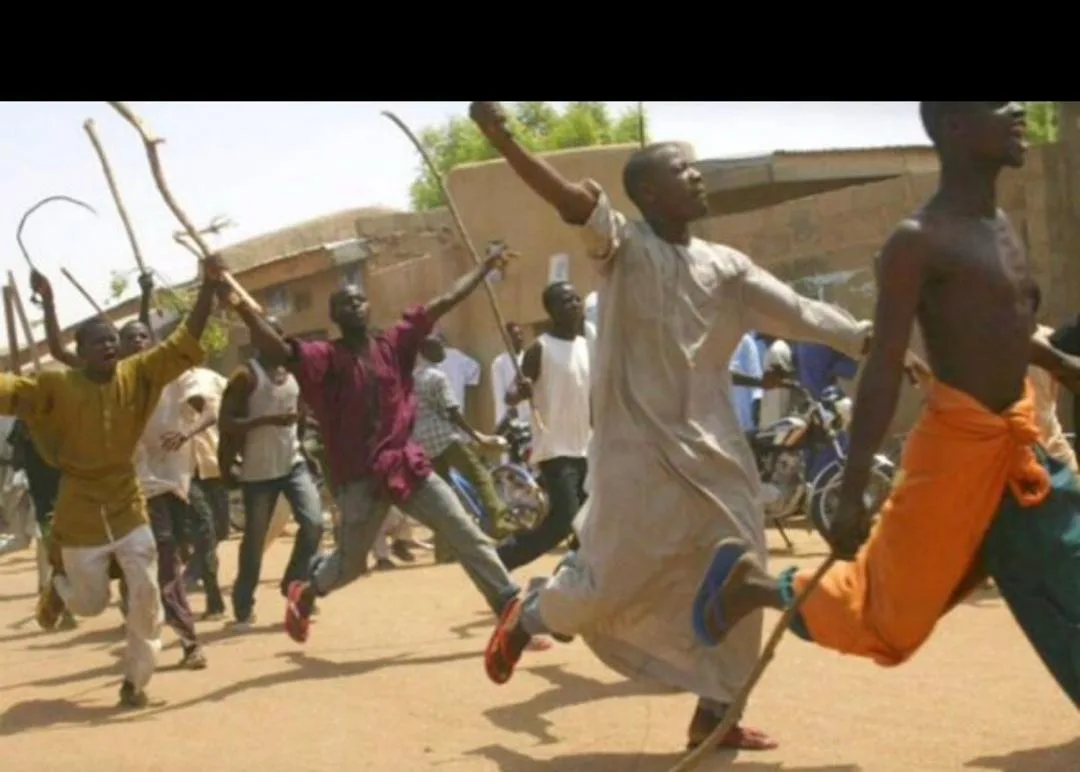
Residents told reporters that the dispute allegedly began when cattle entered a groundnut farm containing crops that had yet to be harvested. An argument reportedly followed after the farmer confronted the herders over the alleged damage to his crops.
A resident, Danlami Ibrahim, said the situation escalated when a herder allegedly attacked a farmer with a cutlass, causing him to lose a hand. The incident reportedly triggered further violence, during which three herders were said to have been killed.
The reported death toll has not been independently confirmed by the FCT Police Command, and the full circumstances of the confrontation remain unclear.
Mohammed Usman, secretary of the Gwagwalada chapter of the Miyetti Allah Cattle Breeders Association of Nigeria, said he had received reports that three herders died in the incident. He added that he was still gathering information about the number of injured people.
Several injured residents were reportedly taken to medical facilities in Gwagwalada, including Sabon Nakowa Hospital and the University of Abuja Teaching Hospital.
Security personnel, including soldiers, police officers, local vigilantes and Nigeria Security and Civil Defence Corps officers, were reportedly deployed to the community to prevent further violence and restore calm.
The Chairman of Gwagwalada Area Council, Kasim Mohammed Ikwa, visited the affected area on Sunday alongside the Divisional Police Officer, SP Aaron H. Kaura, and other security officials. He condemned the violence and urged residents to avoid retaliation.
Ikwa also announced plans for a stakeholders’ meeting to discuss the incident and identify measures to prevent similar confrontations. Community leaders, youth representatives, traditional authorities and other relevant groups were expected to participate.
The council chairman advised farmers whose crops had allegedly been destroyed by cattle to report their complaints to the appropriate authorities instead of taking the law into their own hands. He also urged residents to cooperate with security agencies as efforts continued to restore peace.
The latest incident follows an earlier confrontation reported on August 11, 2026, involving Paikon-Kore, Ibwa and Rafin-Zurfi communities. Reports of that incident said a farmer lost a hand, while three other people sustained machete injuries.
Residents have repeatedly linked clashes in the area to disputes over crop destruction, cattle movement and access to farmland. Farmers face financial losses when livestock damage crops, particularly before harvest, while herders have raised concerns about farming activities encroaching on grazing areas and obstructing cattle routes.
The Paikon-Kore Grazing Reserve, reportedly covering about 9,500 hectares, has also been at the centre of land-use concerns. Herders have alleged that farming activities have encroached on parts of the reserve and restricted livestock movement. These competing claims have complicated efforts to resolve tensions between the communities.
Security analyst and Chairman of Beacon Consulting, Dr Kabiru Adamu, has advocated stronger early-warning systems, impartial law enforcement and a more effective justice process to prevent local disputes from escalating into deadly violence.
Adamu also emphasised the importance of involving traditional rulers, religious leaders and other community representatives at the early stages of disagreements. He warned that unverified information circulated on social media could worsen tensions and undermine peace efforts.
The immediate priority for authorities is to establish the circumstances surrounding the reported deaths, determine responsibility for the violence and prevent further attacks. Longer-term efforts will also need to address land-use disagreements, crop-damage complaints and access to grazing routes through clear rules and credible dispute-resolution mechanisms.
Reporting by TalkNaija Media


Reader Comments (0)
No comments yet. Be the first to share your perspective on this report.