

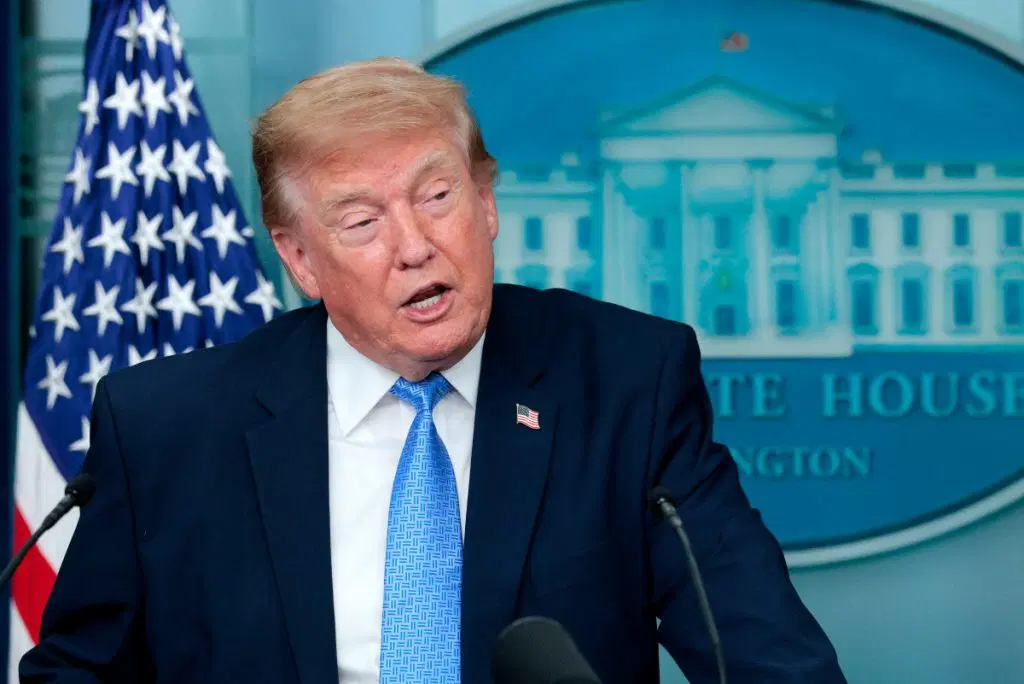
Trump is expected to attend the Association of Southeast Asian Nations (ASEAN) Summit in Manila, Philippines, before travelling to Shenzhen, China, for the Asia-Pacific Economic Cooperation (APEC) leaders' meeting scheduled for November 18 and 19.
The Democratic victories mean Trump will face a Congress controlled by the opposition when the new legislative session begins in January 2027. The change is expected to increase scrutiny of his administration and make it more difficult to advance some of his legislative priorities.
However, analysts believe the president could use his international engagements to reinforce his leadership image and pursue diplomatic initiatives despite the political challenges at home.
Speaking during a briefing organised by the Center for Strategic and International Studies, foreign policy experts discussed how the midterm results could influence Trump's engagement with Asian leaders and America's relationships across the region.
The election outcome is also attracting attention among Asian governments concerned about the impact of US policies on regional security, trade and relations with China.
Trump's approach to the conflict involving Iran, as well as his administration's trade tariffs, has been a source of concern for some American partners in Asia. Analysts say the change in congressional control could create additional pressure on the administration to explain its foreign policy decisions.
Trade is another major issue likely to feature in discussions surrounding the president's Asian engagements. Several Asian economies depend heavily on exports to the United States and have been affected by Washington's tariff measures.
Democratic leaders, including House Democratic Leader Hakeem Jeffries, have indicated that Congress should play a stronger role in shaping US trade policy.
Nevertheless, the president retains significant authority over trade matters and can veto legislation passed by Congress, meaning Democrats may face considerable obstacles in reversing policies introduced by the administration.
Attention is also focused on Trump's expected engagements with Chinese President Xi Jinping and Russian President Vladimir Putin during the APEC summit.
Trump recently told reporters that he expects to meet both leaders in Shenzhen, with discussions potentially covering nuclear disarmament and efforts to end the conflict involving Iran.
The possibility of such a meeting has attracted international interest, particularly because of its potential implications for relations among the United States, China and Russia.
Former US diplomat Kurt Campbell suggested that the meeting itself could carry considerable political significance for Trump, beyond the specific issues discussed.
The prospect of high-level engagement involving the three powers has also raised concerns about the interests of countries affected by major international conflicts. Ukrainian President Volodymyr Zelensky has previously warned against arrangements that could determine the future of his country without its participation.
North Korea is another issue analysts expect Trump to prioritise during his engagement with Asia. His previous direct dealings with North Korean leader Kim Jong Un remain a notable part of his foreign policy record.
Victor Cha, a senior expert at CSIS, suggested that Trump could pursue further engagement with Pyongyang as part of his efforts to shape his diplomatic legacy.
Although the midterm defeat has weakened the Republicans' position in Congress, Trump retains the powers of the presidency and significant influence over America's foreign policy. His upcoming Asia tour will therefore provide an opportunity to demonstrate how he intends to navigate a changed political environment at home while maintaining America's international relationships.
Reporting by TalkNaijaMedia





Reader Comments (0)
No comments yet. Be the first to share your perspective on this report.