

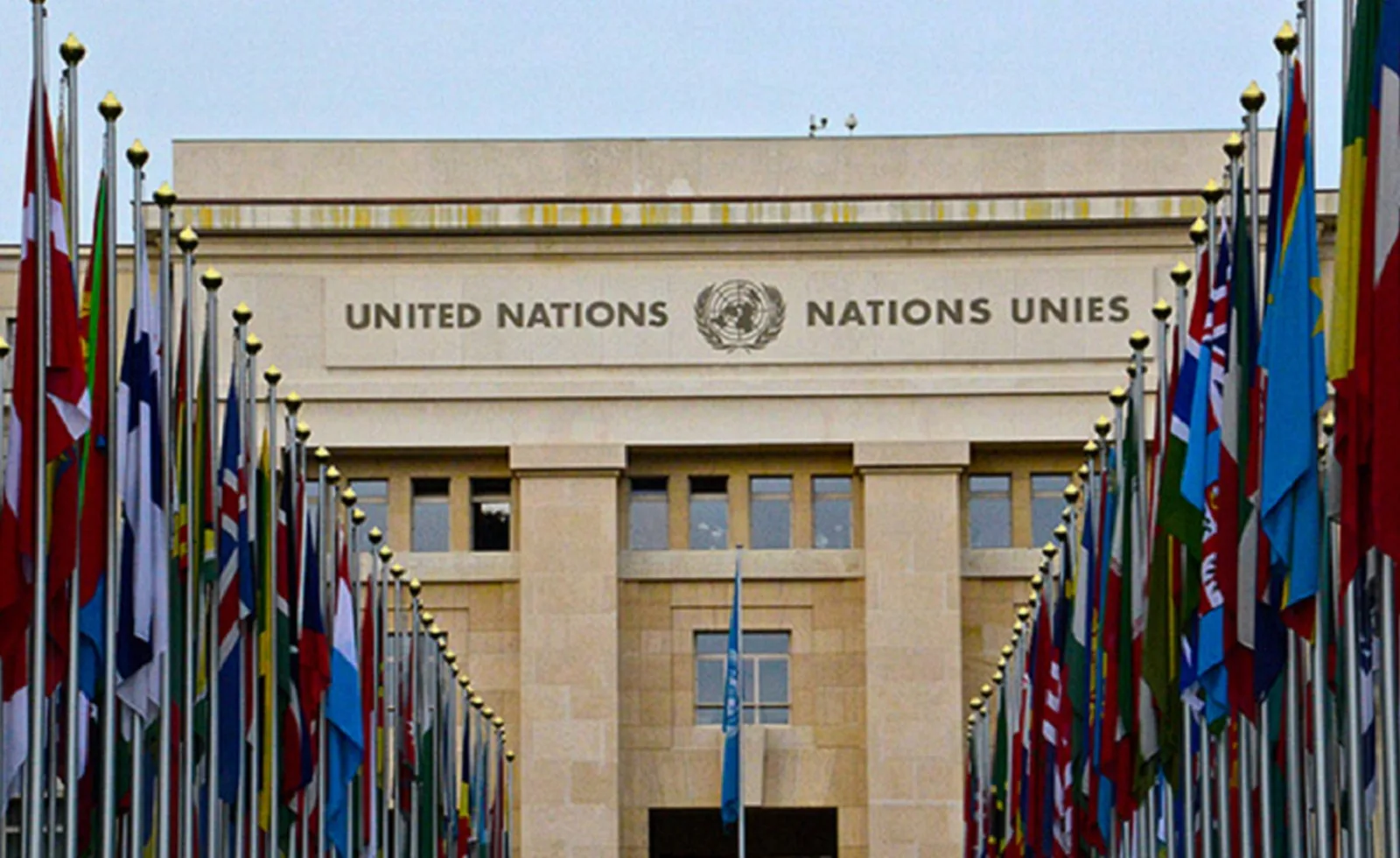
Nigeria could earn more from crude oil exports as global energy prices rise amid disruptions linked to the conflict in the Middle East, but higher petroleum product costs could reduce some of the benefits, the United Nations Conference on Trade and Development (UNCTAD) has warned.
In its 2026 Trade and Development Report: The Geoeconomics of Development, released on October 9, UNCTAD identified Nigeria alongside Angola, Guyana and Kazakhstan as oil and gas exporters positioned to benefit from higher prices because they produce energy outside the Strait of Hormuz. The report also cautioned that countries with inadequate domestic refining capacity may see part of the advantage eroded by more expensive refined products. (UNCTAD)
The report’s first chapter, titled Resilience and its limits, examines how geopolitical tensions and disruptions to critical energy infrastructure can affect supply, prices and economic stability across countries.
According to the report, damage to energy infrastructure and disruption to shipping through the Strait of Hormuz contributed to a major loss of global energy supply. Brent crude oil prices climbed from around $70 to more than $110 per barrel in the weeks following the outbreak of the conflict.
UNCTAD warned that even with the release of strategic oil reserves and increased production outside the affected region, energy prices could remain substantially above their pre-conflict levels through the end of 2026.
For Nigeria, the price increase presents both an opportunity and a challenge. Higher crude prices can raise export receipts and potentially strengthen government revenue, depending on production levels, export volumes and the country’s fiscal arrangements.
However, expensive imported or internationally priced refined petroleum products can increase costs for households and businesses. This means that higher crude oil earnings do not automatically translate into cheaper fuel or broad economic relief for Nigerians.
UNCTAD also warned that the energy shock could worsen inflation, put pressure on monetary policy, raise borrowing costs and create additional risks for financial stability. It argued that addressing supply constraints is important when inflation is being driven by shortages and rising energy costs, rather than relying exclusively on tighter monetary and fiscal policies.
The report also paints a challenging picture of the global economy. UNCTAD projects global economic growth of 2.6 per cent in 2026, down from 2.9 per cent in 2025, before edging up to 2.7 per cent in 2027. Growth in developing economies is projected to slow from 4.7 per cent in 2025 to 4 per cent in 2026. (UNCTAD)
The organisation further expects official development assistance to decline by almost 7 per cent in 2026, marking another setback for countries that rely on external financing to support development programmes. It called for stronger multilateral cooperation, increased domestic financing and greater use of local-currency funding to address development gaps.
UNCTAD also highlighted renewable energy as a potential way for developing economies to improve energy security and reduce their vulnerability to international supply disruptions.
Nigeria’s expanding refining industry could help cushion some of the impact of global fuel market volatility. According to a report based on Dangote Group’s first-half 2026 macroeconomic review, the Dangote Petroleum Refinery supplied approximately 50 million litres of petrol daily to the domestic market during the period, while also increasing exports of refined products.
Nevertheless, domestic refining does not completely insulate Nigeria from global prices, particularly while petroleum products continue to be traded across international markets. The extent of any benefit will also depend on refinery output, domestic supply, pricing and the country’s wider energy policies.
The debate over domestic refining and fuel imports has also continued through legal and regulatory disputes. In September, reports said the Federal High Court in Abuja directed the Nigerian Midstream and Downstream Petroleum Regulatory Authority to continue issuing petroleum import licences to Matrix Energy, AA Rano and AYM Shafa, subject to applicable laws and regulatory requirements.
Meanwhile, the Federal Government announced on October 9 that NNPC Retail Limited would forgo its petrol retail profit margin for 30 days to help cushion the effect of rising global fuel prices on consumers. The State House said the arrangement would allow the retailer to sell petrol at cost, rather than fund the intervention through a direct budgetary allocation.
Finance Minister Taiwo Oyedele said the measure would be funded through a reduction in NNPC Retail’s margin while the company continued purchasing fuel from Dangote Refinery and other suppliers at market prices.
The government also warned that restoring petrol prices to pre-reform levels could carry a substantial fiscal cost, with Oyedele citing estimates exceeding ₦20 trillion annually. He said an intervention of ₦500 per litre could cost more than ₦16 trillion a year.
Taken together, the developments highlight the difficult balance facing Nigeria: higher oil prices may improve export earnings, but they can also increase domestic fuel costs and place pressure on households, businesses and public finances.
The extent to which Nigeria benefits from the current energy shock will therefore depend not only on crude oil prices, but also on production, refining capacity, domestic supply and the government’s ability to manage the wider economic consequences.
Reporting by TalkNaijaMedia



Reader Comments (0)
No comments yet. Be the first to share your perspective on this report.