

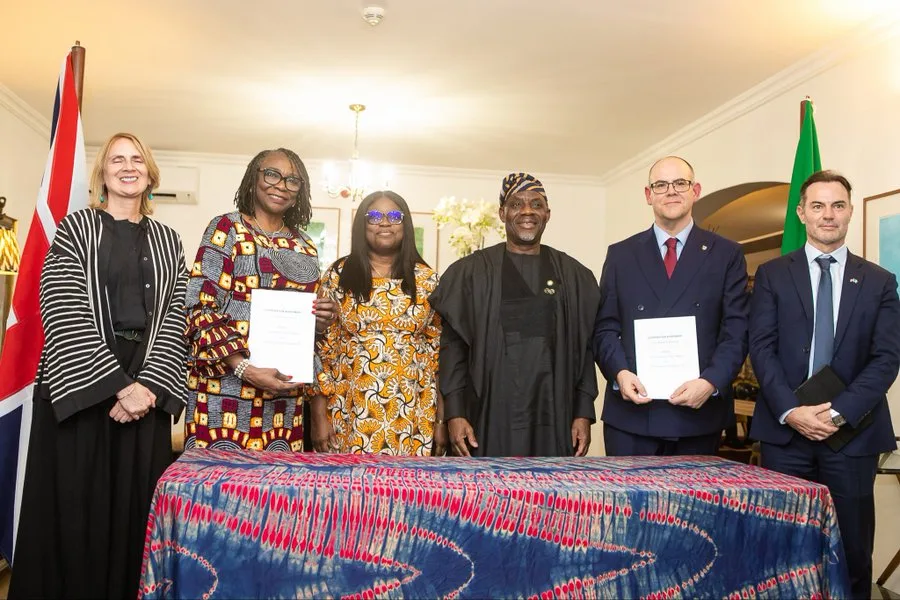
The initiative builds on a memorandum of understanding signed by the two universities on January 29, 2026, as part of efforts to expand transnational education in Nigeria. The partnership involves collaboration with the Federal Ministry of Education and the National Universities Commission (NUC).
Minister of Education, Dr Tunji Alausa, described the development as a significant step towards improving access to quality higher education in Nigeria. He linked the initiative to President Bola Tinubu’s Renewed Hope Agenda and the Nigerian Education Sector Renewal Initiative, which seeks to strengthen educational standards and opportunities.
The artificial intelligence and data technologies programme is designed to provide students with both theoretical knowledge and practical experience. Its areas of study include machine learning, deep learning, computer vision, large language models, data management and AI ethics. Students are also expected to develop programming, data analysis and problem-solving skills that can be applied across different industries.
The Digital Media and Communications programme will examine how communication operates in an increasingly digital society. Its curriculum includes digital cultures, communication research, digital content creation, broadcasting, and questions surrounding power, identity and ethics in digital media.
The courses are intended to help graduates prepare for opportunities in technology, business analytics, digital communications, journalism and other fields shaped by technological change.
UNILAG Vice-Chancellor, Professor Folasade T. Ogunsola, said the partnership reflects a shared commitment to academic collaboration, knowledge exchange and educational development. She noted that the initiative could improve the global visibility of Nigerian higher education while ensuring that learning remains relevant to local needs.
University of Birmingham Provost and Vice-Principal, Professor Nick Vaughan-Williams, also highlighted the role of universities in preparing graduates for evolving labour markets. He said the programmes would help students develop skills that support innovation, entrepreneurship and employment.
The partnership has also received support from UK education stakeholders. British Deputy High Commissioner in Lagos, Jonny Baxter, said collaboration between universities in both countries could help develop expertise in artificial intelligence, data science and digital communications while strengthening educational ties between Nigeria and the United Kingdom.
The two universities initially agreed to explore the development of Birmingham-validated programmes delivered in Lagos. The new courses mark a step forward in that process, bringing international postgraduate education closer to Nigerian students who wish to study locally.
The launch represents a broader effort to strengthen Nigeria’s tertiary education system through international partnerships, updated curricula and training aligned with emerging professional demands.



Reader Comments (0)
No comments yet. Be the first to share your perspective on this report.