

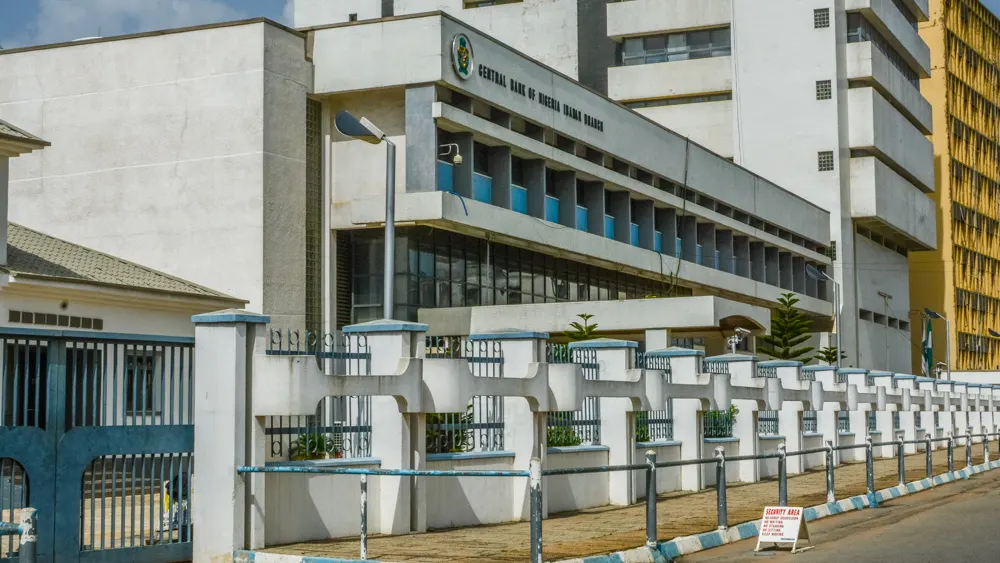
The Central Bank of Nigeria has kept its benchmark Monetary Policy Rate at 26.50 per cent, the second consecutive hold after the committee left the rate unchanged at its 306th meeting on 20 and 21 July.
The decision reflects a committee that has stopped tightening but is not yet ready to loosen. Inflation has fallen for several consecutive months, reaching 15.43 per cent in July, down from 15.91 per cent in June and far below the peak above 34 per cent recorded in 2024.
Why hold rather than cut
Cutting now would risk undoing a disinflation trend that has taken two years to establish. Holding keeps real rates positive and supports the foreign exchange inflows that have driven the naira's recovery to around N1,315 to the dollar and pushed reserves past 54 billion dollars.
The cost is borne by borrowers. At 26.5 per cent, commercial lending remains out of reach for most small businesses, and manufacturers have said so repeatedly.
That tension shows in the data. The Central Bank's own August PMI put industry at 50.6 — technically expanding, but only just, and with eleven of sixteen industrial subsectors still contracting.
What the market expects
Analysts broadly expect the committee to stay on hold until the inflation trend is clearly established, with any easing more likely in 2027 than before the end of this year.
Reporting by Central Bank of Nigeria. This summary was written by the TalkNaijaMedia desk.



Reader Comments (0)
No comments yet. Be the first to share your perspective on this report.