

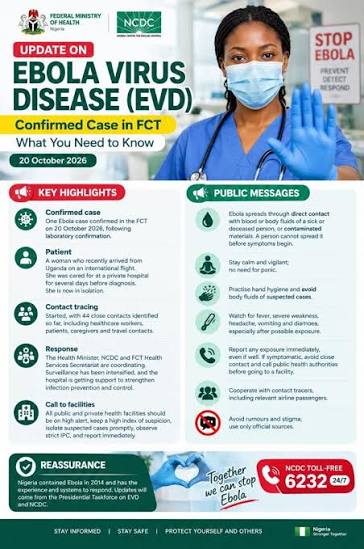
The World Health Organization has confirmed that the virus responsible for the current case is the Bundibugyo virus, a species associated with Ebola disease. The development highlights the importance of understanding how the infection spreads, recognising its symptoms and following public health advice.
Ebola is a serious viral disease that can cause severe illness and death. However, early diagnosis and appropriate supportive medical care can improve a patient’s chances of survival.
The virus belongs to the Orthoebolavirus genus within the Filoviridae family. Several types can cause disease in humans, including Ebola virus, Sudan virus and Bundibugyo virus. Identifying the particular virus is important because vaccines developed for one type may not protect against another.
Past Ebola outbreaks have recorded fatality rates ranging from 25 to 90 per cent, although outcomes vary according to the virus, outbreak circumstances and availability of medical care. Early treatment, including rehydration and management of symptoms, can improve survival.
Ebola does not spread through the air in the way that illnesses such as influenza commonly do. Transmission between people occurs primarily through direct contact with the blood or other bodily fluids of an infected person who has developed symptoms, or through contaminated materials such as bedding and clothing. Healthcare workers face particular risks if appropriate infection prevention measures are not followed.
Symptoms may appear between two and 21 days after exposure. Early warning signs can include fever, tiredness, headache, muscle pain and sore throat. Some patients may later develop vomiting, diarrhoea, abdominal pain and other serious complications. Bleeding can occur, but it is not present in every case.
Because the early symptoms can resemble malaria, typhoid fever and other infections, symptoms alone cannot confirm Ebola. Laboratory testing is required, and anyone who believes they may have been exposed should contact health professionals or public health authorities for guidance rather than attempting to diagnose the illness independently.
People infected with Ebola do not transmit the virus before symptoms begin. Once symptoms develop, the risk of transmission through contact with bodily fluids becomes a concern. This is why health authorities monitor identified contacts for 21 days after their last possible exposure.
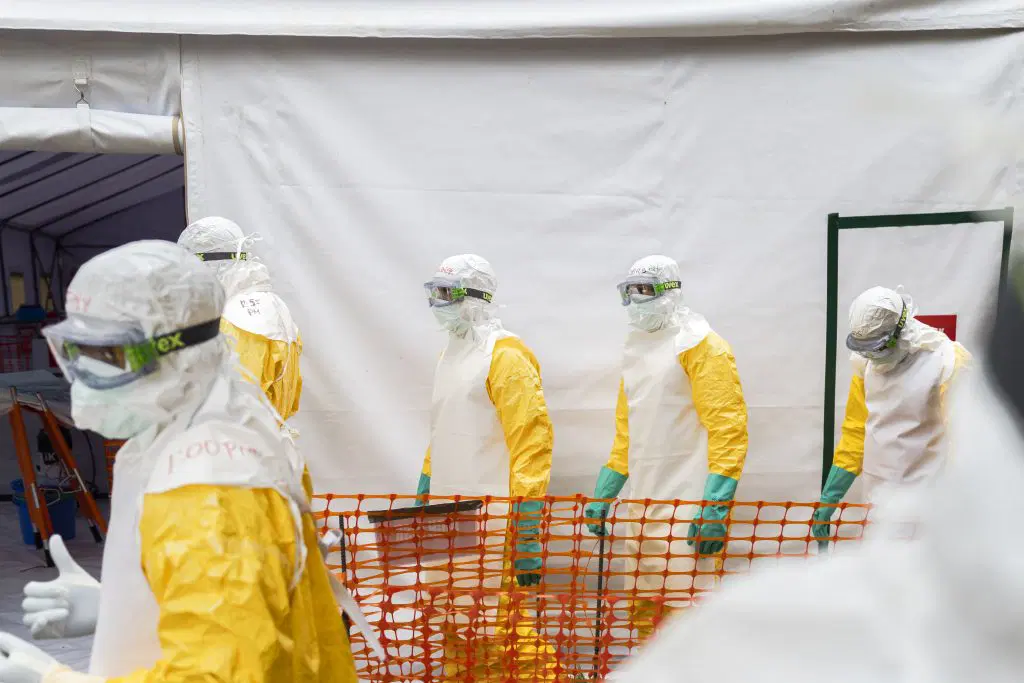
Good hygiene remains important during public health emergencies. Regular handwashing with soap and water is advisable, while people should avoid direct contact with the bodily fluids of anyone suspected of having Ebola. Potentially contaminated clothing, bedding and medical materials should be handled by trained personnel using appropriate protective equipment.
Bodies of people who have died from Ebola can remain infectious. Burial arrangements must therefore be managed safely by trained teams, with care taken to avoid direct contact with the body. Families should follow official public health guidance and avoid practices that could expose mourners to infection.
Anyone who develops symptoms after possible exposure should seek urgent guidance from public health authorities and disclose relevant travel or contact history. People identified by contact-tracing teams should cooperate with monitoring and report symptoms promptly. Early reporting helps health workers assess risk and respond quickly.
Nigeria’s experience in containing the 2014 outbreak demonstrated the value of rapid identification, isolation, contact tracing, infection prevention and public cooperation. Those measures remain central to the response to the current case.
For now, health authorities are urging Nigerians to stay informed through verified official announcements, follow public health advice and avoid spreading unconfirmed claims. The identification of a case and its contacts does not mean there is widespread transmission; continued monitoring and transparent communication will be important as the investigation progresses.
Reporting by TalkNaija Media


Reader Comments (0)
No comments yet. Be the first to share your perspective on this report.