

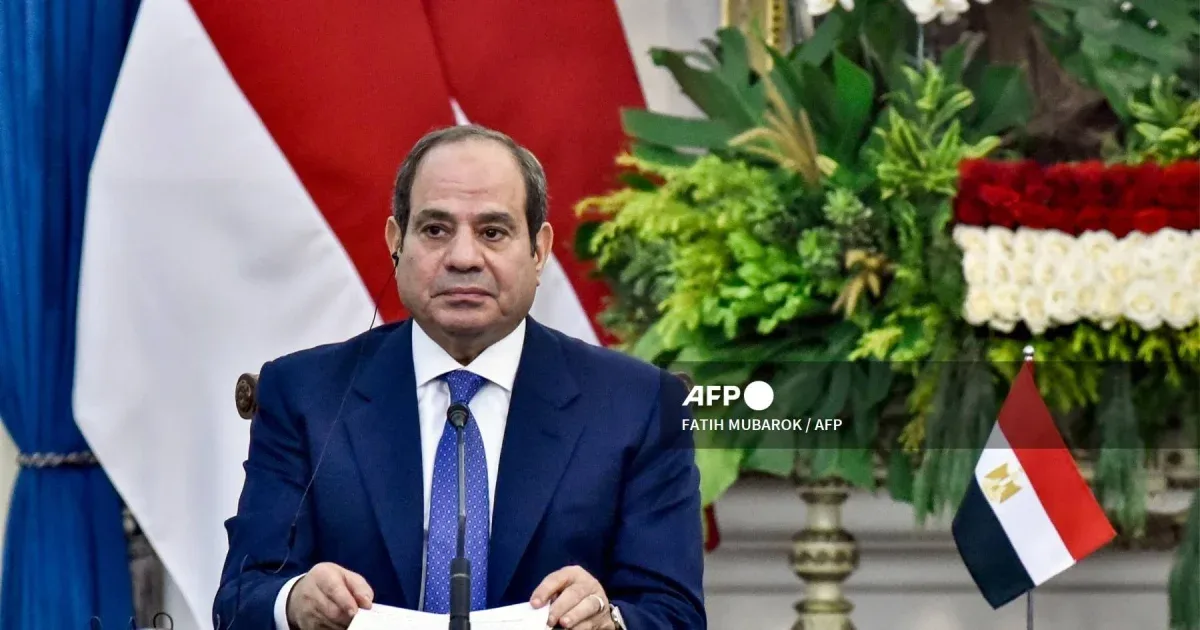
The Egyptian leader said the period leading up to 2030 would mark the conclusion of his tenure, adding that the constitution would remain unchanged. His comments come amid speculation over whether political supporters might seek further constitutional amendments to allow him to remain in office beyond his current term.
Sisi first became president in 2014 after serving as defence minister. He rose to power following the military removal of former president Mohamed Morsi in 2013, an event that occurred after widespread protests against Morsi’s government.
Egypt’s presidential term limits were changed through constitutional amendments approved in a 2019 referendum. The amendments extended presidential terms from four years to six and introduced provisions that allowed Sisi to seek another term. He won re-election in December 2023, with his current six-year term scheduled to end in 2030.
During Saturday’s address, Sisi also discussed plans to prepare future leaders through training at the Egyptian Military Academy. He said the country needed capable people equipped to take on responsibilities in government and public administration.
His administration has pursued an extensive programme of state-led development, including major infrastructure projects and the construction of the New Administrative Capital. However, the government’s development strategy has also faced criticism over rising public debt, borrowing costs and economic pressures.
Sisi’s presidency has likewise attracted criticism from international human rights organisations over restrictions on political opposition, civil society and freedom of expression. His government has rejected such criticism, maintaining that its security policies are necessary to protect stability and national interests.
The president’s latest remarks appear intended to put an end to speculation about a possible extension of his rule. Whether the country’s political institutions and future leadership arrangements will develop in line with that pledge remains to be seen as Egypt approaches the end of his current term.
Egypt’s Sisi Rules Out Staying in Power Beyond 2030Egyptian President Abdel Fattah al-Sisi has declared that he will leave office when his current presidential term ends in 2030, insisting that the matter is settled and that the country’s constitution will not be amended to extend his stay in power.
Sisi, 71, made the declaration on Saturday, October 17, during a graduation ceremony at the Egyptian Military Academy in the New Administrative Capital, east of Cairo. He used the occasion to reaffirm his position on the end of his presidency and outline plans to prepare a new generation of leaders.
The Egyptian leader said the period leading up to 2030 would mark the conclusion of his tenure, adding that the constitution would remain unchanged. His comments come amid speculation over whether political supporters might seek further constitutional amendments to allow him to remain in office beyond his current term.
Sisi first became president in 2014 after serving as defence minister. He rose to power following the military removal of former president Mohamed Morsi in 2013, an event that occurred after widespread protests against Morsi’s government.
Egypt’s presidential term limits were changed through constitutional amendments approved in a 2019 referendum. The amendments extended presidential terms from four years to six and introduced provisions that allowed Sisi to seek another term. He won re-election in December 2023, with his current six-year term scheduled to end in 2030.
During Saturday’s address, Sisi also discussed plans to prepare future leaders through training at the Egyptian Military Academy. He said the country needed capable people equipped to take on responsibilities in government and public administration.
His administration has pursued an extensive programme of state-led development, including major infrastructure projects and the construction of the New Administrative Capital. However, the government’s development strategy has also faced criticism over rising public debt, borrowing costs and economic pressures.
Sisi’s presidency has likewise attracted criticism from international human rights organisations over restrictions on political opposition, civil society and freedom of expression. His government has rejected such criticism, maintaining that its security policies are necessary to protect stability and national interests.
The president’s latest remarks appear intended to put an end to speculation about a possible extension of his rule. Whether the country’s political institutions and future leadership arrangements will develop in line with that pledge remains to be seen as Egypt approaches the end of his current term.
Reporting by TalkNaija Media
Reporting by TalkNaija Media



Reader Comments (0)
No comments yet. Be the first to share your perspective on this report.