
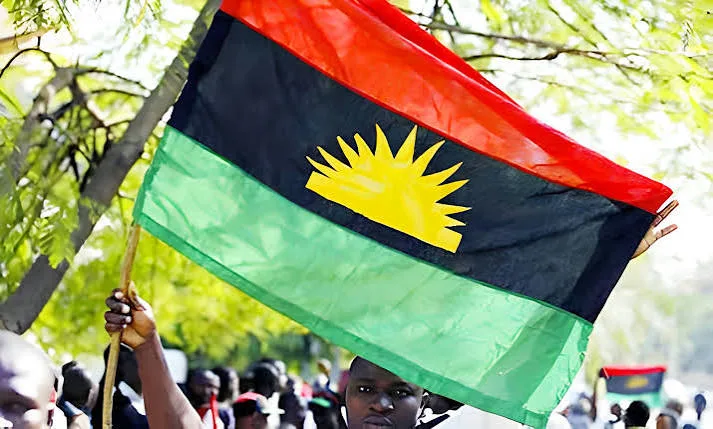
According to the statement, the decision to welcome the gesture followed instructions from IPOB leader Nnamdi Kanu. The group maintained that its campaign for Biafran self-determination should not be interpreted as hostility towards the Hausa people or other ethnic nationalities in northern Nigeria.
IPOB argued that ethnic and religious differences should not be used to create divisions among ordinary Nigerians, adding that communities across the country share concerns about injustice, insecurity, political exclusion and economic hardship.
The organisation also rejected what it described as attempts to portray Kanu as an opponent of northern ethnic groups. It said his past broadcasts had included discussions about the political rights, cultural identity and aspirations of the Hausa people.
IPOB maintained that the aspirations of Biafrans and those of the Hausa nation were not necessarily incompatible, arguing that one group’s pursuit of political freedom should not prevent another from seeking greater autonomy or determining its future.
Welcoming the reported support, the group said it regarded Hausa communities and other northern populations as partners in the broader pursuit of dignity, equal rights and freedom from perceived systemic injustice. It also stressed that the Igbo people should not be treated as enemies by ordinary northerners because of political disagreements or competing national aspirations.
The statement extended the group’s position to other ethnic nationalities across Nigeria, including the Kanuri, Tiv, Berom, Nupe, Igala, Jukun, Idoma and Gbagyi, among others. IPOB argued that population size should not determine whether a community’s interests and political choices receive recognition.
The group further reiterated its support for a peaceful referendum as a democratic means of allowing people to determine their political future. It also advocated arrangements that would permit smaller ethnic communities to negotiate alliances, pursue regional autonomy or adopt governance structures that protect their interests.
In making its case, IPOB referred to Nigeria’s 2014 National Conference, which considered constitutional and political reforms, and called for governance arrangements better suited to the country’s diverse communities.
The organisation concluded by expressing hope that the reported solidarity from northern youths would encourage further dialogue among ethnic groups and strengthen efforts towards what it described as liberation, peace and mutual respect.
The claims about the solidarity declaration and the positions expressed in the statement represent IPOB’s account of the development. Independent confirmation of the northern groups’ declaration and the precise terms of their support would be necessary to establish the full scope of the reported agreement.

Reader Comments (0)
No comments yet. Be the first to share your perspective on this report.