


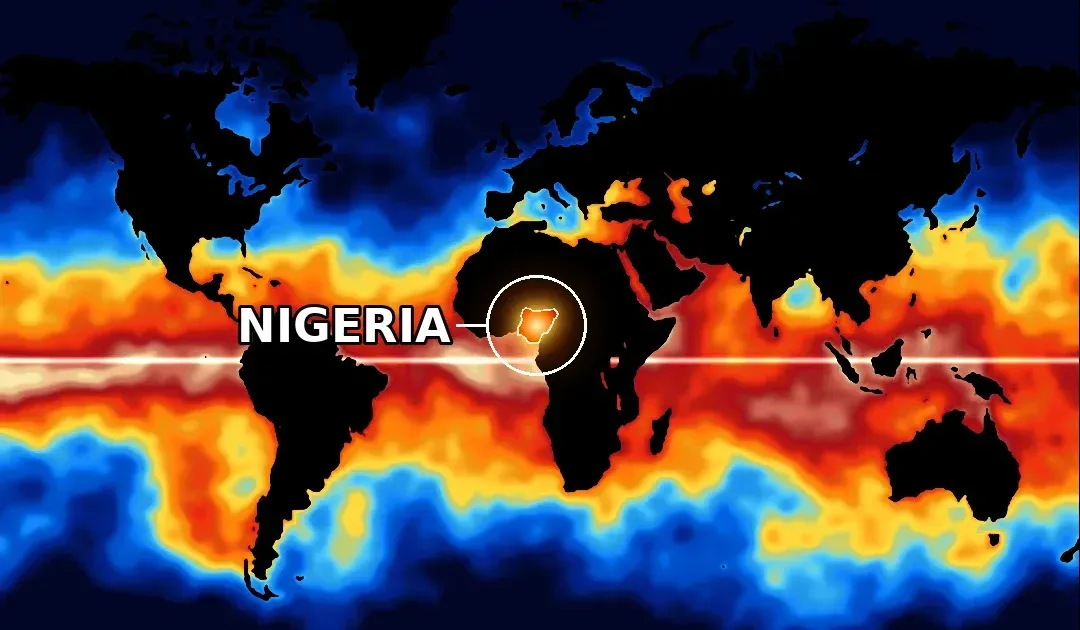
Nigeria's malaria vaccine programme has expanded into Bauchi and Ondo states, extending a rollout that began in Bayelsa and Kebbi.
The R21 vaccine is administered in four doses — at five, six and seven months, with a booster at fifteen months — and is delivered through the existing routine immunisation schedule.
That delivery choice is the quiet reason the programme has moved as fast as it has. A standalone campaign requires its own cold chain, its own staffing and its own outreach. Folding doses into a schedule parents already attend removes most of that.
Early evidence
Results from the first states have been strong. In Kebbi, malaria cases fell from 49.0 per cent in 2021 to 18.4 per cent in 2025. Within programme areas prevalence dropped from 13.6 per cent to 1.7 per cent, and hospital admissions for fever fell.
Officials credit the combination of the vaccine with seasonal malaria chemoprevention rather than the vaccine alone.
The remaining problem
Coverage and equity remain the constraint. A four-dose schedule with a booster only works if children complete it, and completion rates in Nigeria have historically fallen off sharply after the first two doses of any vaccine.
Health workers in the pilot states reported a substantial improvement in caregiver awareness, which is the factor most closely tied to whether a course is finished.
Reporting by WHO Africa. This summary was written by the TalkNaijaMedia desk.


Reader Comments (0)
No comments yet. Be the first to share your perspective on this report.