

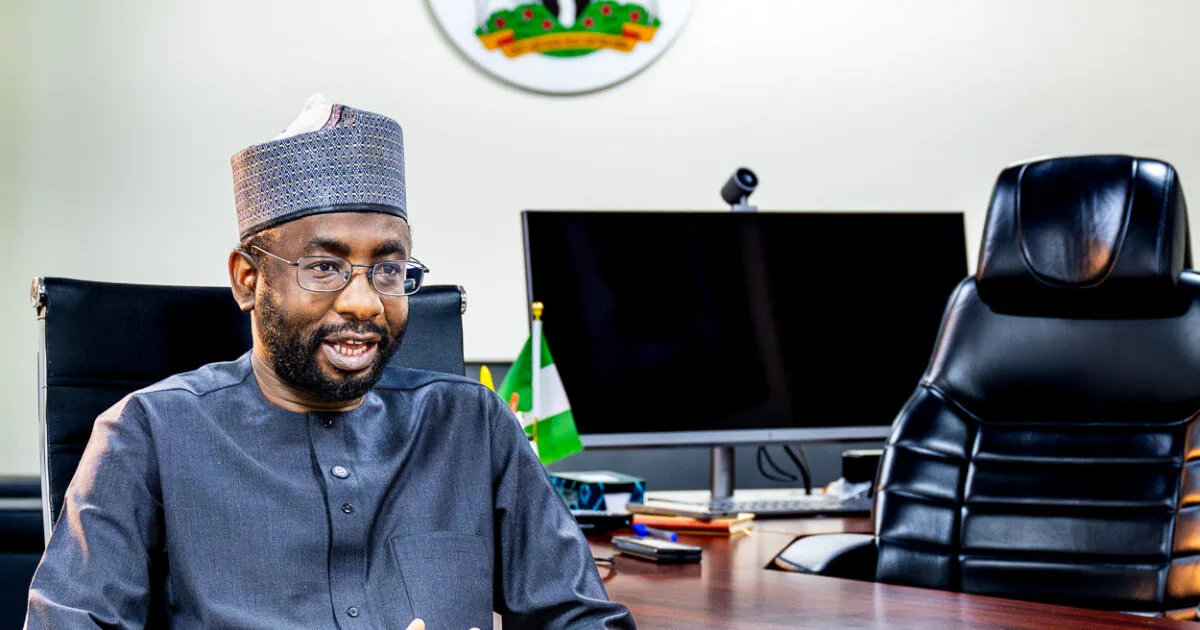
NITDA Director-General Kashifu Inuwa made the call at the Africa Agribusiness Extension Summit 2026 in Abuja. He was represented at the event by the agency’s Director of e-Government, Engr. Salisu Kaka.
Inuwa said Nigeria could no longer depend exclusively on face-to-face agricultural extension services to meet the needs of its growing farming population. He argued that digital platforms could strengthen the work of existing extension officers and help more farmers receive advice regardless of their location.
He also urged stakeholders to prioritise connected digital infrastructure instead of creating separate platforms that cannot easily exchange information. According to him, interoperability, scalability, cybersecurity and access to reliable data are essential to building effective digital agricultural services.
Inuwa noted that AI could support the analysis of agricultural trends, provide recommendations suited to farmers’ needs and strengthen early-warning systems. Such tools could help farmers respond more effectively to emerging risks and make better-informed production decisions.
The Minister of Agriculture and Food Security, Abubakar Kyari, also called for increased investment in digital agricultural extension as part of efforts to improve farm productivity and strengthen national food security.
Kyari said Nigeria’s conventional extension system had weakened over time, leaving many agricultural workers responsible for advising growing numbers of farmers. He stressed the need to use mobile technology and other accessible digital channels to deliver practical information to producers.
Through these channels, farmers could receive weather updates, market information, crop-disease guidance and other advice that supports decisions on planting, production and marketing.
However, the minister cautioned that digital solutions should complement rather than replace conventional extension services. He said technology must reflect the everyday realities of farmers and be accessible to those who may face barriers to using digital tools.
Kyari also called on state governments to invest more in agricultural extension, encouraged greater participation by young people and stressed the importance of ensuring women farmers benefit from new services.
Meanwhile, Extension Africa Chief Executive Officer Tajudeen Yahaya highlighted the need for stronger partnerships and better coordination to expand agricultural advisory services across the country.
Yahaya said the organisation was established in 2021 to address gaps in Africa’s agricultural extension system and improve the delivery of advice to farmers. He reported that its network had grown to approximately 7,000 extension workers across 16 states and reached more than one million farmers.
He identified people, data, technology and partnerships as the key pillars of a sustainable extension system. He also urged government agencies, private businesses, development partners and technology providers to work together to reduce fragmentation and expand access to reliable agricultural information.
According to Yahaya, the summit was intended to develop measurable benchmarks and practical recommendations for strengthening the extension system through better-trained personnel, dependable data, appropriate technologies and sustainable partnerships.
The push for digital agricultural services comes as Nigeria faces the challenge of improving food production while meeting rising demand. Access to reliable advice can help farmers make informed decisions, but the impact of digital tools will depend on the quality of information provided, the accessibility of the platforms and effective coordination among the institutions delivering the services.
Reporting by TalkNaijaMedia




Reader Comments (0)
No comments yet. Be the first to share your perspective on this report.