

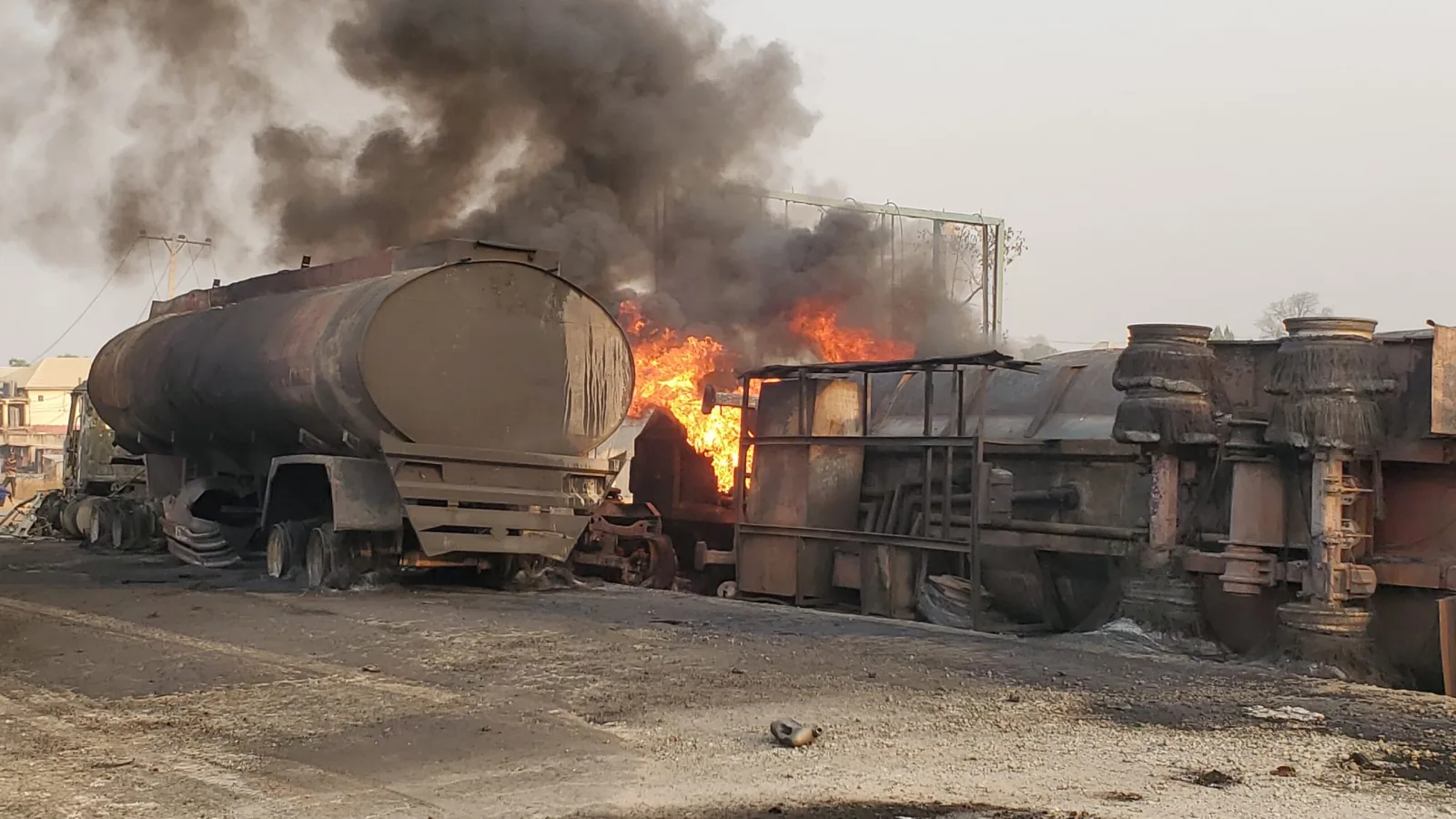
Dimowo said the programme was designed to strengthen safety awareness among petroleum operators and tanker drivers, building on the experience gained from the first edition held in Lagos.
He explained that the training covered defensive driving, hazard identification, fatigue management, fire prevention, spill containment, tanker condition and emergency response.
According to him, the transportation of petroleum products remains important to Nigeria's energy supply and economic activities, making strict adherence to safety requirements essential to protecting road users, property and the environment.
He commended the Technical Working Committee on Trucks-in-Transit for its efforts to promote safer petroleum transportation and improve emergency preparedness.
Dimowo urged drivers and transport companies to treat safety as a priority, stressing that responsible operations would help protect lives and maintain the reliability of the petroleum supply chain.
Also speaking, the National President of the Nigerian Association of Road Transport Owners (NARTO), Yusuf Othman, reaffirmed the association's support for the initiative. His address was delivered by the association's General Manager of Administration, Atiku Ahmed.
Othman described road safety as a collective responsibility involving drivers, transport companies, regulators and members of the public.
He cited Federal Road Safety Corps (FRSC) figures showing that Nigeria recorded 7,156 road crashes between January and September 2026, resulting in 3,445 deaths and 22,292 injuries.
He also referred to the FRSC's report of a 61.29 per cent reduction in tanker- and trailer-related fatalities in 2025, describing the improvement as evidence of the importance of sustained safety measures.
Othman said NARTO continued to promote driver training, compliance with loading procedures, speed-limiting devices, regular vehicle inspections and public awareness as part of efforts to improve road transportation safety.
He urged tanker drivers to observe speed limits and take adequate rest during journeys. He also advised other motorists to maintain a safe distance from tankers involved in road incidents.
In a presentation titled Staying Alive on the Highway: Defensive Driving, Fatigue and Hazard Awareness for Tanker Drivers, FRSC Assistant Corps Marshal, Operations, Omiko Godwin, identified speeding and driver fatigue as major concerns in tanker transportation.
Godwin emphasised the importance of professional conduct and recommended that transport operators provide two drivers for each tanker to allow for relief when one becomes tired.
He also highlighted the importance of vehicle checks before journeys, route awareness and maintaining safe distances from other road users.
The National President of the Petroleum Products Retail Outlets Owners Association of Nigeria (PETROAN), Billy Gillis-Harry, called for stronger preventive measures to reduce tanker-related incidents at petroleum retail outlets.
He identified regular training, effective supervision, improved infrastructure, modern technology and disciplined operations as important elements of a safer petroleum distribution system.
Representing tanker drivers, Emmanuel Omokero, National Assistant Secretary of the Petroleum Tanker Drivers' branch of the Nigeria Union of Petroleum and Natural Gas Workers (NUPENG), commended the organisers for bringing the sensitisation programme to Warri.
He encouraged drivers to avoid journeys when tired and take adequate rest before continuing their trips.
Delta State Coordinator of the NMDPRA, Godwin Ikomi, assured participants that the sensitisation initiative would be sustained.
The programme attracted representatives of government agencies, security organisations, emergency response services, petroleum marketers, depot operators, truck owners and tanker drivers.
The engagement forms part of broader efforts to improve safety across Nigeria's petroleum transportation network through professional training, regulatory compliance and cooperation among industry stakeholders.
Reporting by TalkNaijaMedia




Reader Comments (0)
No comments yet. Be the first to share your perspective on this report.