

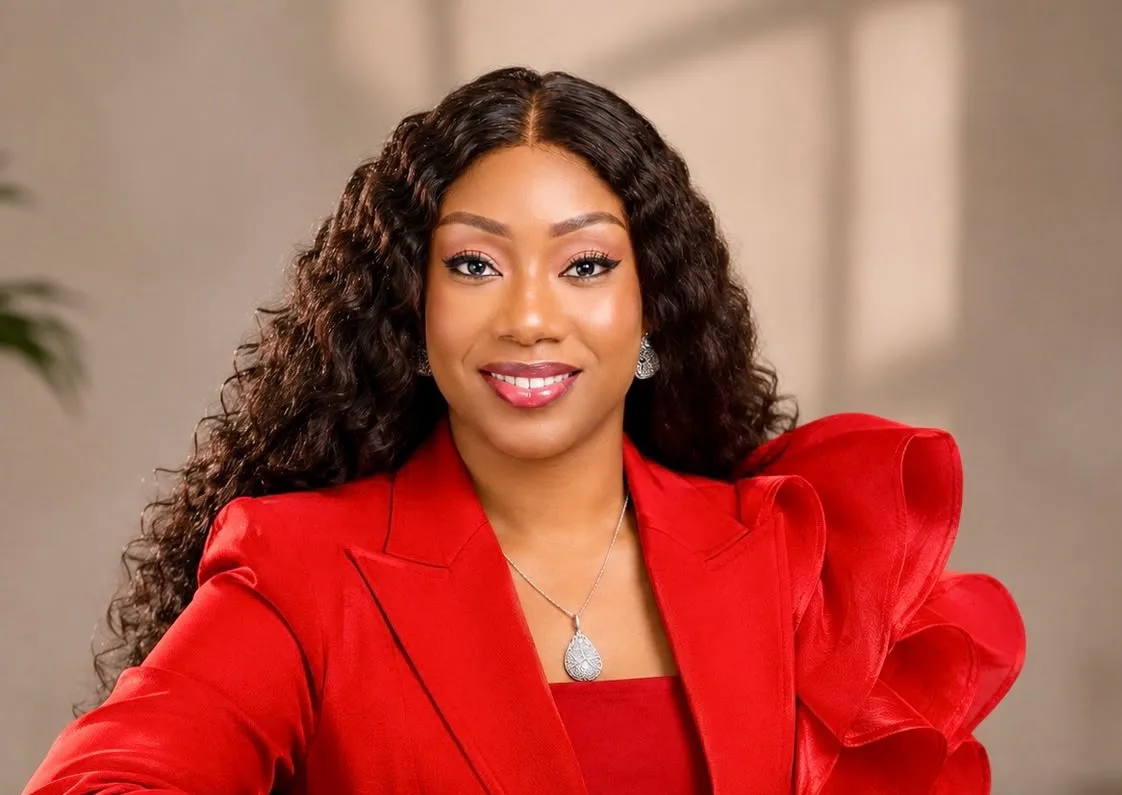
In an interview with PAUL OKAH, she discussed the experiences that shaped her advocacy, TWAGI’s mission, the challenges confronting women and girls, and the importance of collaboration in addressing them.
What inspired your interest in women and girls’ empowerment advocacy?
My passion for advancing women and girls developed over time, shaped by my interest in peace, human dignity, fairness and the need to build a society where everyone has the opportunity to fulfil their potential.
Growing up as the only daughter in a family of four children, with three brothers, I developed an appreciation for human relationships, coexistence and the importance of balance in society.
However, my interest became more focused through my academic and professional experiences. I studied History and International Studies at Babcock University before obtaining a master's degree in Security Intelligence and Diplomacy from the University of Buckingham in the United Kingdom.
These experiences exposed me to issues surrounding international relations, security, conflict and sustainable development. They also helped me understand the important relationship between women's participation and lasting peace.
I came to realise that a society cannot achieve sustainable peace when a significant part of its population is disadvantaged, underrepresented or excluded from decisions affecting their lives.
Empowering women and girls should therefore not be treated as a narrow gender issue. It is an important development priority.
Nigeria cannot reach its full potential if the abilities of women and girls remain underutilised. We need to invest deliberately in their education, protection, economic opportunities and leadership.
The goal should not simply be to create opportunities for them but also to equip them with the confidence, skills and support needed to make meaningful contributions.
How did The Women and Girls Initiative for Sustainable Peace and Unity (TWAGI) begin?
TWAGI has grown through deliberate efforts to support women and girls and respond to challenges within communities, working with the resources available to us.
Our philosophy is based on the understanding that meaningful social change begins with people, their values, decisions, self-perception and access to opportunities.
Through community outreach programmes, rural engagements, school interventions, mentorship and counselling, we seek to reach women and girls in their communities and help them recognise and develop their abilities.
A major area of our interest is the development of the girl-child. We want girls to understand that their background or present circumstances should not determine what they can achieve in life.
A child's future should not be restricted by the limitations of her community or the opportunities she has yet to encounter.
Our work goes beyond temporary assistance. We want to contribute to raising individuals who understand their worth, make informed decisions, recognise their responsibilities and become productive members of society.
We also see creativity as an important tool for personal and social development. Giving people the opportunity to explore their interests, discover their abilities and develop their ideas can help them imagine possibilities beyond their immediate circumstances.
Ultimately, our vision is to build a society where women and girls are not simply recipients of development programmes but active contributors to the decisions and processes that shape their communities.
A mission of this nature requires funding and collaboration with other stakeholders. How is TWAGI addressing this?
We understand that sustainable development cannot be achieved by one organisation working alone.
TWAGI is still growing and strengthening its activities, but we remain open to partnerships, sponsorships and strategic relationships with individuals, government institutions, development organisations and private-sector stakeholders who share our objectives.
Collaboration is necessary if we want to expand our reach and achieve lasting results.
One issue I consider particularly important is helping young people discover their purpose. When young people understand who they are, what they believe in and what they can contribute to society, they are better positioned to make responsible decisions.
Purpose provides direction, values establish a moral foundation, while opportunities create the conditions for individuals to develop their potential.
My Christian faith also influences how I understand service, human dignity and social responsibility. I believe our relationship with God should inspire us to improve ourselves and make positive contributions to the lives of others.
Young people today face different pressures and influences, making it important to help them develop sound judgement, strong values and a sense of responsibility.
I also appreciate organisations and public initiatives contributing to women's and girls' development in Nigeria.
I particularly recognise the efforts of the First Lady, Senator Oluremi Tinubu, through programmes addressing women's health, menstrual hygiene and the welfare of vulnerable groups.
Such interventions matter because development must include access to healthcare, dignity and the basic support women and girls need to live productive lives.
At TWAGI, we are interested in complementing existing efforts, contributing our experience and working with stakeholders committed to gender development, peace and social progress.
What specific challenges facing women and girls are of greatest concern to you?
One major concern is the difference between the opportunities children need to develop and what is actually available to them.
In some communities where we engage, access to quality education remains a challenge. Some children struggle with basic literacy, communication skills and the resources required to benefit fully from educational opportunities.
Education should not be measured only by whether a child is enrolled in school. It should also be about ensuring that the child acquires the knowledge, skills, confidence and values needed to navigate life.
The difficulties facing women and girls are also connected. Poverty, limited access to education, inadequate support systems, social expectations and vulnerability can reinforce one another.
There are, however, institutions and organisations working to address these concerns. The Federal Ministry of Women Affairs, the International Federation of Women Lawyers (FIDA) and relevant justice institutions all have important roles to play.
The scale of the challenges requires more than the efforts of individual organisations. Government, families, communities, civil society groups, the private sector and development partners must accept collective responsibility.
I often use the example of a broom: one strand cannot achieve what several strands can accomplish when brought together. That is how we should approach national development.
We need to move beyond isolated interventions and build stronger partnerships that produce sustainable solutions.
At TWAGI, we are particularly interested in supporting vulnerable children, including those exposed to street life, by helping them reconnect with education and develop the skills needed for productive futures.
Our concern is not only about their present circumstances but also about what they can become when given the right opportunities and support.
We may not have all the resources or institutional capacity to address every challenge, but we believe in starting with the communities we can reach and developing programmes that can grow over time.
Our vision is a Nigeria where a girl's background does not determine the limits of her future, women have meaningful opportunities to contribute to national development, and peace is built through the transformation of people's lives.
That, for me, is the true meaning of sustainable peace and development.
Reporting by TalkNaijaMedia
SEO Title: TWAGI Executive Director Stephanie Ndukwe Urges Investment in Women and Girls
Focus Keyword: Women and girls’ empowerment in Nigeria
Meta Description: TWAGI Executive Director Stephanie Ndukwe explains why investing in women and girls is vital to Nigeria’s development, peacebuilding and national progress.


Reader Comments (0)
No comments yet. Be the first to share your perspective on this report.