

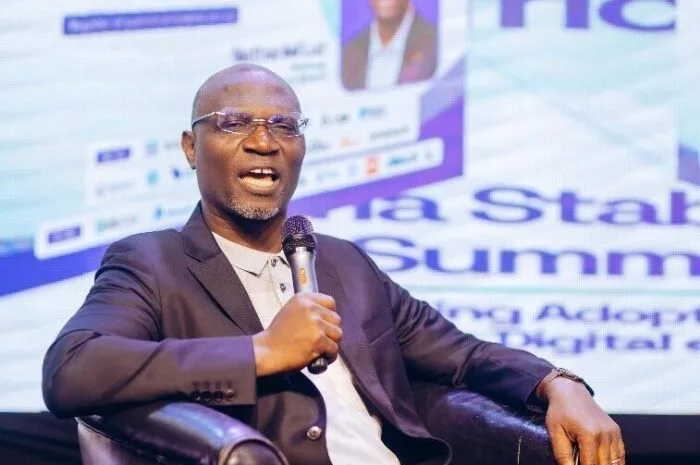
The Director-General of the Securities and Exchange Commission (SEC), Dr Emomotimi Agama, has warned that Nigeria’s capital market could experience rising asset prices without corresponding economic growth if the supply of credible investment opportunities fails to keep pace with investor demand.
Agama delivered the warning on Friday, October 9, 2026, while speaking at the University of Ibadan Alumni Association’s 2026 Annual Public Service Lecture in Ibadan, Oyo State.
The lecture, themed “First and Best — But Whose Capital Built It? Rethinking How Nigeria Funds Its Own Future,” examined how Nigeria could mobilise domestic capital more effectively to finance institutions, infrastructure and long-term economic development.
Agama’s central argument was that attracting more investors into the market would not, by itself, guarantee sustainable growth. According to the warning reported by Nairametrics, increasing demand without a corresponding rise in credible issuers could push up the prices of existing assets instead of creating new productive investment opportunities.
In practical terms, a market may attract more people willing to invest, but if too few reliable companies and institutions are seeking capital, investors end up competing for a limited number of available assets. Prices may rise as a result, without an equivalent increase in productive capacity or the number of businesses generating income and employment.
The SEC chief identified the availability of credible institutions, sound corporate governance, transparent financial records and reliable investment structures as important requirements for a deeper capital market.
His remarks also raised questions about how Nigerian institutions, including universities, can develop more sustainable funding arrangements rather than relying predominantly on government allocations and other external sources.
The University of Ibadan served as a reference point for the discussion, with the lecture examining how institutions can make better use of their assets and explore ways to mobilise long-term capital. One potential approach discussed in related reporting is the use of structured property investment arrangements to generate income from university accommodation and other assets.
Agama’s warning comes as regulators seek to expand participation in Nigeria’s capital market. The SEC has been pursuing a broader development agenda focused on improving market access, strengthening investor confidence, encouraging innovation and widening the range of available investment products.
The Commission’s Nigerian Capital Market Master Plan identifies deeper market participation, improved efficiency, investor protection and technology-enabled access as important priorities. However, the specific target of expanding the market from approximately ₦250 trillion to ₦750 trillion cited in the source report could not be independently confirmed from the SEC’s publicly available master-plan summary.
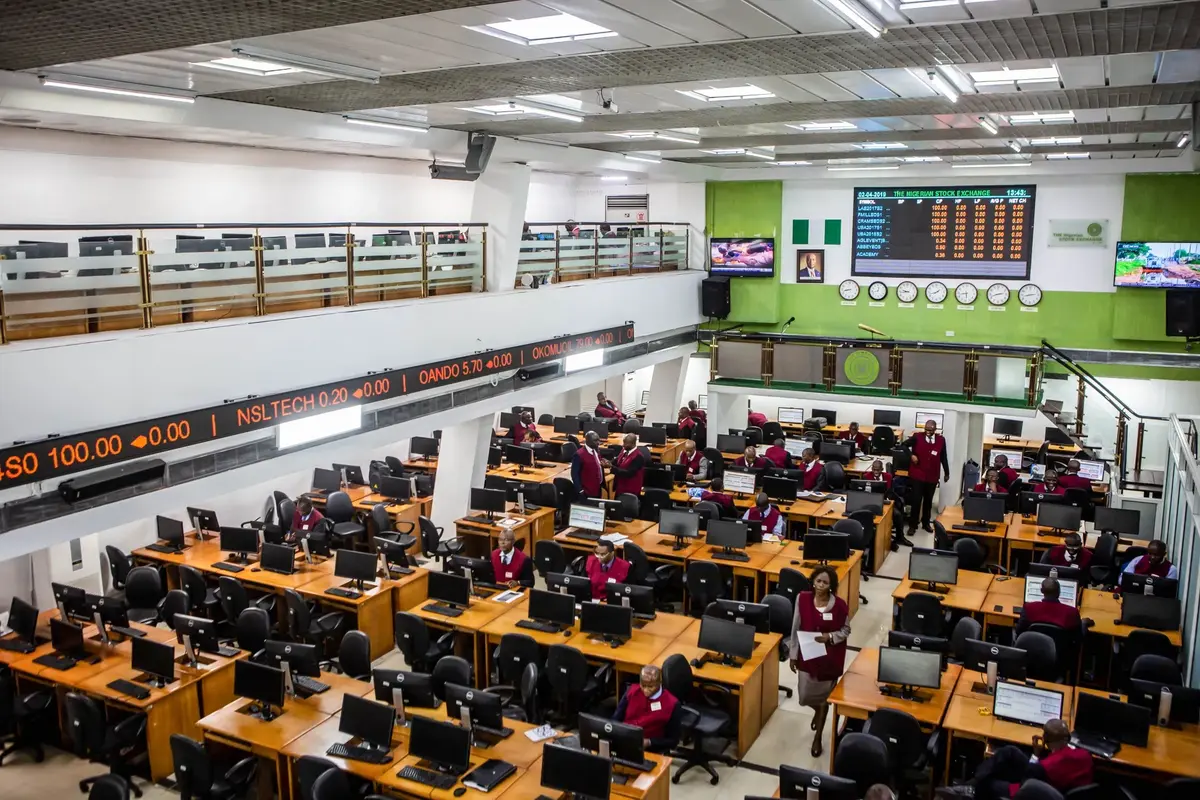
One of the reforms already implemented is the transition from a two-business-day securities settlement cycle, known as T+2, to a one-business-day cycle, or T+1. The new framework took effect on June 1, 2026, following preparations involving the SEC, the Central Securities Clearing System (CSCS) and other market participants.
Under T+1, eligible securities transactions settle on the next business day after the trade. The change is intended to improve transaction efficiency, reduce the period during which settlement risks remain outstanding and support market liquidity.
The reform is part of a wider effort to modernise the market, but faster settlement does not remove the need for credible businesses seeking investment. A more efficient system can help transactions move smoothly, while the availability and quality of investment opportunities remain essential to long-term market development.
The planned Dangote Petroleum Refinery and Petrochemicals public offering also illustrates efforts to widen participation in equity investment. The company’s offering, approved by the SEC and opened in September 2026, was designed to reach a broad pool of retail investors, with a stated target of up to 10 million participants and an electronic subscription process using identity verification, including the Bank Verification Number (BVN).
The offer demonstrates how technology and distribution through approved financial channels can help make share ownership more accessible. However, the target of attracting 10 million investors is an ambition, not evidence that this number has already invested.
Agama’s warning highlights the need to balance wider public participation with the development of more investment-ready businesses and institutions. For Nigeria, a stronger capital market will require not only more investors but also issuers capable of using raised funds productively, maintaining transparent records and delivering sustainable returns.
The challenge is particularly important for institutions that need long-term financing. If universities, businesses and infrastructure projects can develop credible structures for raising funds, the capital market could provide an additional source of financing while reducing excessive dependence on government funding.
Ultimately, the expansion of Nigeria’s capital market will depend on the quality of its investment opportunities as well as the number of people participating. Increasing investor access is an important step, but sustainable growth requires capital to flow towards credible enterprises and productive activities that can support jobs, innovation and wider economic development.
Reporting by TalkNaijaMedia


Reader Comments (0)
No comments yet. Be the first to share your perspective on this report.