

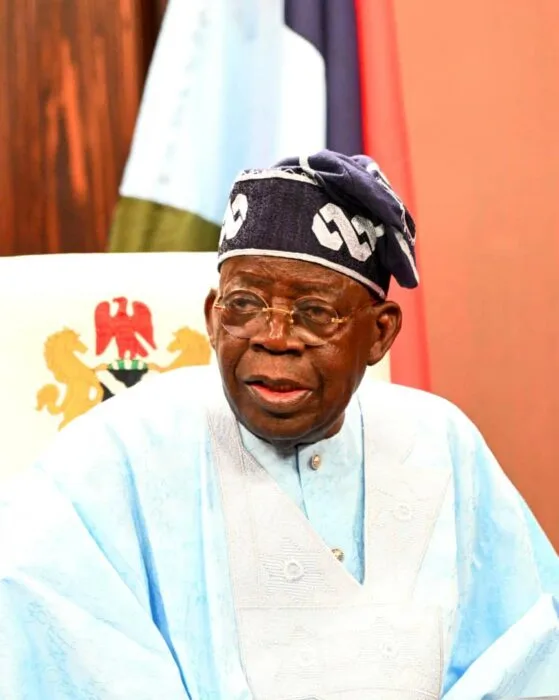
Tinubu cited the case of a commuter identified as Blessing, who reportedly pays ₦500 for a journey from Masaka to Berger in the Federal Capital Territory, down from ₦1,500 previously. The reduction represents a saving of ₦1,000 per trip.
He also referred to Ada and Abigail, who reportedly now spend ₦1,600 on journeys between Enugu and Nsukka instead of ₦4,000, saving ₦2,400 per journey.
The President further highlighted the experience of Kabir, a taxi driver who said ₦10,000 worth of compressed natural gas enables him to complete three additional return trips compared with drivers using petrol.
Tinubu also pointed to Borno State, where some commuters reportedly pay as little as ₦50 for trips on CNG-powered and electric public transport services.
He said the initiative was designed to lower operating expenses for transport providers so that the savings could be reflected in fares paid by passengers. He acknowledged that the removal of the petrol subsidy had placed financial pressure on many households, adding that government needed to provide practical alternatives to ease the burden.
Under the National Affordable CNG Transportation Programme, the Federal Government is working with state governments, the Nigeria Governors’ Forum and private investors to expand access to lower-cost transport services.
Tinubu disclosed that Ekiti State had received 15 buses, Lagos had received 20, while Akwa Ibom had 50 buses ready for service. He also said Katsina had introduced 30 CNG hybrid buses and 200 electric tricycles, while Kano had received 30 CNG buses and five electric buses. An additional rollout was planned for Edo State.
The President added that Kaduna’s fleet of 100 CNG buses had transported more than three million passengers.
Beyond public transport, Tinubu said more than 120,000 vehicles had been converted to run on CNG through a network of over 400 certified conversion centres. The government is also expanding refuelling infrastructure to improve access for motorists.
The administration has announced additional measures to cushion the impact of rising petrol prices. These include reported fuel tax and duty waivers exceeding ₦3.3 trillion and a 30-day arrangement under which NNPC Retail will forgo its petrol retail profit margin, with commercial transport operators among the intended beneficiaries.
The Federal Government has also said it is negotiating a ceiling of ₦1,350 per litre on the wholesale or landing cost of petrol to help reduce price volatility. The proposed ceiling is not the same as a guaranteed pump price for every filling station.
Tinubu acknowledged that affordable transport services had yet to reach every community and said his administration would continue working with state governments and private investors to expand coverage.
He maintained that the objective was to ensure more Nigerians benefit from lower transport fares while government policies remain financially sustainable.
The impact of the programme will ultimately depend on how widely the services are deployed, whether operators pass on lower fuel costs to passengers and how consistently affordable fares are maintained.
Reporting by TalkNaijaMedia


Reader Comments (0)
No comments yet. Be the first to share your perspective on this report.