

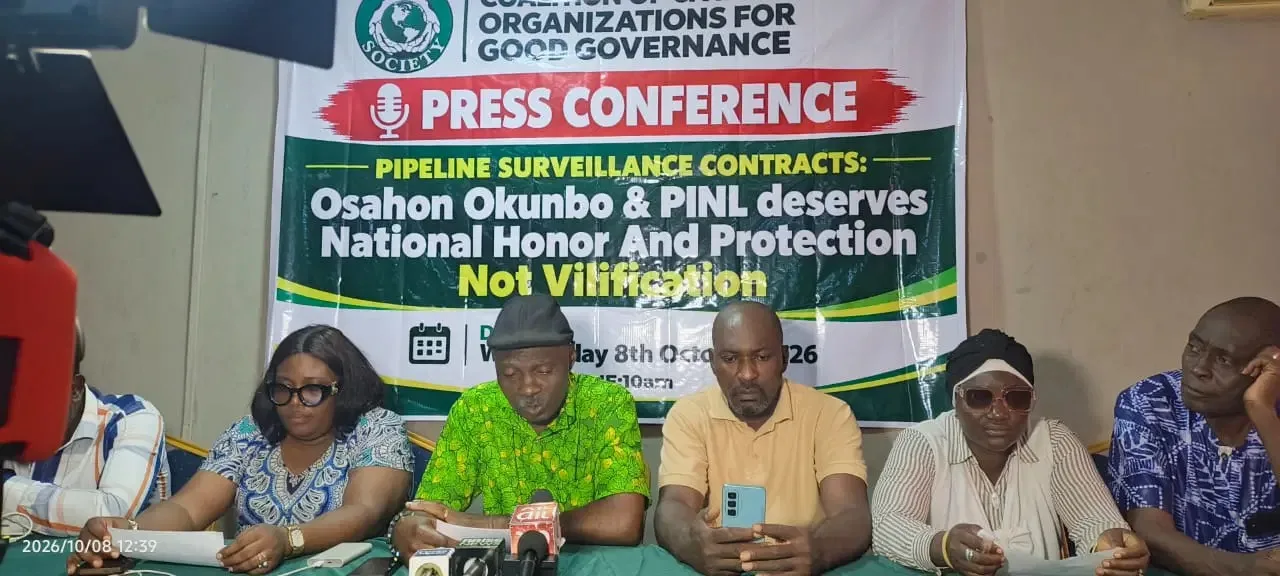
The Coalition of Civil Society Organisations for Good Governance (CCSOGG) has called for greater transparency and an evidence-based review of pipeline surveillance contracts in the Niger Delta, urging Nigerians to distinguish verified information from allegations about public spending.
The coalition made the call amid controversy surrounding Pipeline Infrastructure Nigeria Limited (PINL) and its Project Director, Osahon Okunbo, following claims that the company and its leadership were linked to a pipeline surveillance arrangement worth ₦2.7 trillion annually.
In a statement issued by its spokesman, Comrade Declan Ihekaire, the group said questions about government contracts should be addressed through official documents, verifiable evidence and independent assessments rather than claims that could damage reputations or undermine public confidence in critical infrastructure protection.
The coalition disputed the ₦2.7 trillion figure, saying no publicly available documentary evidence had been presented to substantiate the allegation. It called on anyone making claims about the contract’s value to provide supporting records and urged those responsible for spreading inaccurate information to correct it where necessary. The figure remains unverified based on the publicly available material reviewed.
CCSOGG also put the contract value attributed to PINL at approximately ₦150 billion. However, this figure represents the coalition’s stated understanding and has not been independently established by the public contract documents available for this report.
The group argued that the value of a corporate contract should not automatically be treated as the personal income of the company’s directors or project managers. It noted that pipeline surveillance agreements may cover personnel, equipment, logistics, technology, security operations, community engagement and other operating costs.
The coalition therefore urged the Federal Government and the Nigerian National Petroleum Company Limited (NNPC) to publish relevant contract documents, payment schedules, scopes of work and performance records. It said public access to such information would help Nigerians assess the arrangements and determine whether the amounts involved represent value for money.
Beyond the financial controversy, CCSOGG called for all pipeline surveillance contractors to be assessed against measurable performance indicators, including reductions in pipeline vandalism, protection of crude oil production, improved community relations, effective use of technology and the overall cost of operations.
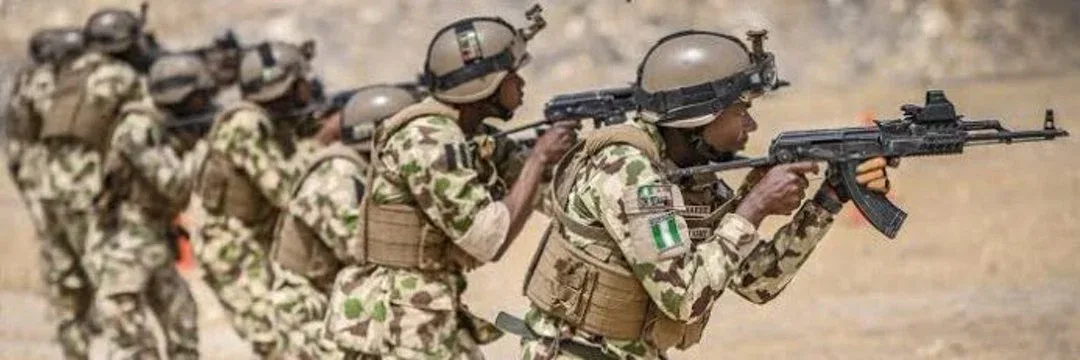
PINL is responsible for surveillance activities along the Eastern Corridor of the Trans Niger Pipeline, which passes through parts of Rivers, Bayelsa, Abia and Imo states.
The coalition cited figures and operational claims attributed to the company, including reported reductions in pipeline infractions and vandalism attempts. It also referred to company reports of periods without recorded pipeline vandalism on sections of the corridor in Bayelsa and other areas under its operations.
Those claims, however, require independent assessment using verifiable security incident records, production data and other relevant evidence before conclusions can be drawn about the contractor’s overall performance. Previous reports have also documented PINL’s engagement with host communities and its stated involvement of thousands of young people in surveillance-related work.
According to the coalition, PINL’s work involves engagement with traditional rulers, youth leaders, women and other community representatives across about 215 communities along the Eastern Corridor. It said involving residents in surveillance activities could help improve information-sharing and strengthen local participation in protecting oil and gas infrastructure.
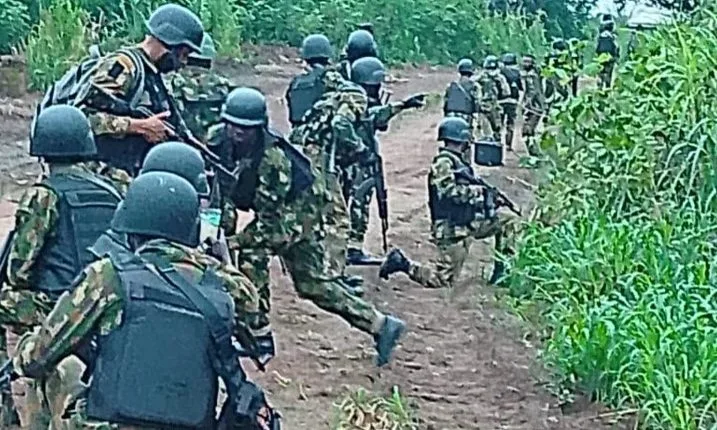
The group also pointed to reported technology deployments, including drones, surveillance stations, security vessels, mobile response teams and round-the-clock monitoring. It argued that technology and intelligence should complement conventional security arrangements, particularly in areas with difficult terrain and extensive waterways.
CCSOGG nevertheless maintained that contractors should not be exempt from scrutiny because they operate in a sensitive security environment. It called for an independent assessment of all pipeline surveillance arrangements before the government decides whether to retain, review or expand existing contracts.
The controversy has renewed attention on the cost, structure and effectiveness of pipeline protection in the Niger Delta, where oil theft and infrastructure vandalism have significant implications for production, government revenue and local communities.
For the coalition, the way forward is greater disclosure and consistent performance standards across all contractors. Publishing the relevant records, it argued, would allow allegations to be tested against documentary evidence while giving the public a clearer picture of how government funds are being used.
Reporting by TalkNaijaMedia


Reader Comments (0)
No comments yet. Be the first to share your perspective on this report.