

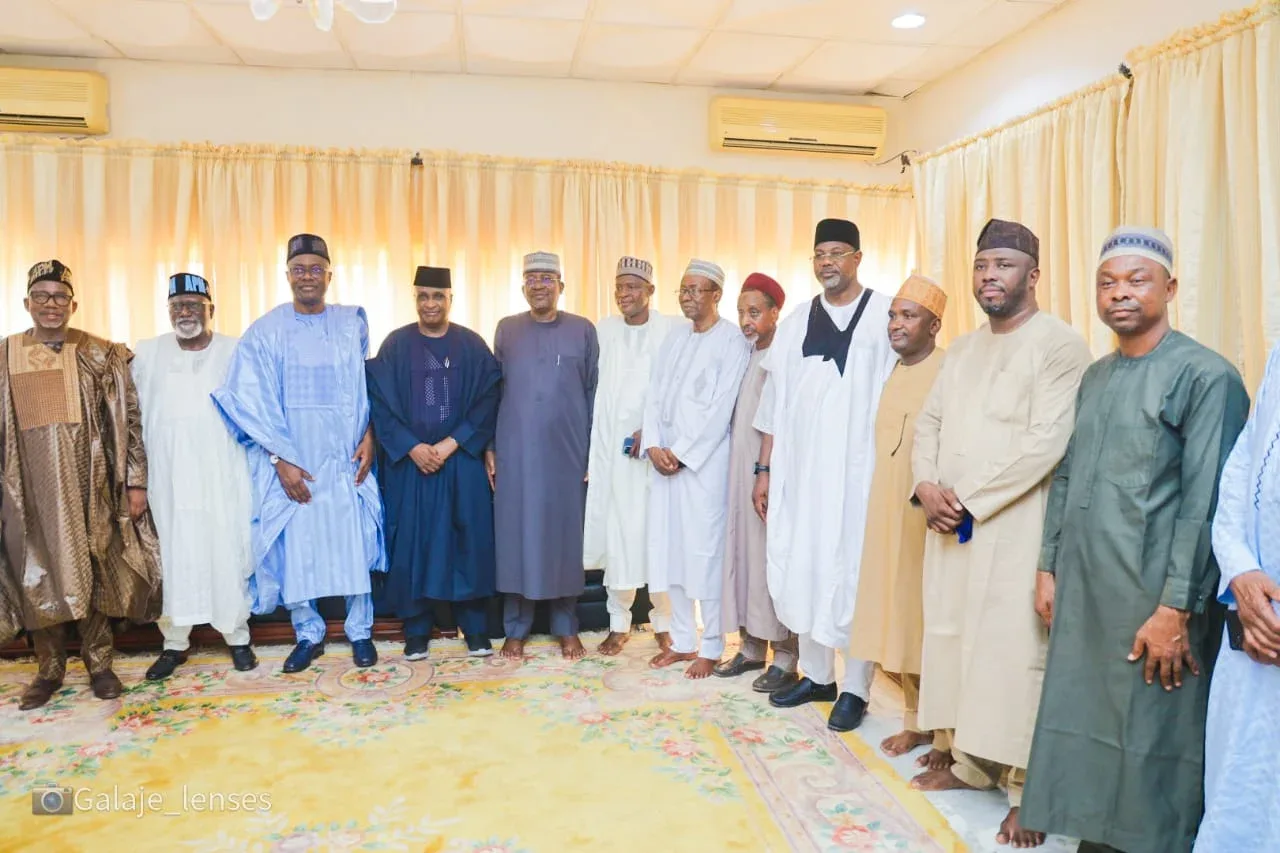
Makinde made the call on Saturday, October 10, 2026, while addressing party stakeholders at the APM’s North-East 2027 town hall meeting in Yola, Adamawa State.
His remarks followed the Federal Government’s announcement of a 30-day petrol discount programme involving the Nigerian National Petroleum Company Limited (NNPCL), introduced amid rising fuel prices and growing concerns about the cost of living.
The governor urged the government to disclose the calculations and assumptions behind its pricing decisions, insisting that citizens and independent experts should have the opportunity to examine the figures and propose alternative solutions.
Makinde argued that holding public office should not mean government officials have a monopoly on ideas or solutions to national problems. He maintained that greater transparency would help Nigerians assess the factors influencing petrol prices and encourage more informed discussions about energy policy.
Beyond petroleum pricing, the APM candidate highlighted insecurity, poverty, inadequate electricity supply and energy security as major challenges requiring practical and sustainable responses.
He also raised questions about Nigeria’s position in regional petroleum trade, particularly the use of alternative export routes through neighbouring countries such as Cameroon and Benin. The concerns, he suggested, call for closer examination of Nigeria’s energy infrastructure, border security and competitiveness within the regional market.
Looking towards the 2027 presidential election, Makinde pledged that an administration under his leadership would prioritise accountability, openness and national inclusion.
He also proposed a four-year transitional Government of National Unity if elected president, presenting the arrangement as an opportunity to bring different political interests and sections of the country into a common governing framework.
The proposal formed part of his broader argument for a change in the way Nigeria is governed, with greater emphasis on public participation, honest communication and policies that respond to citizens’ needs.
Speaking at the same gathering, Bauchi State Governor Bala Mohammed called for reforms anchored on true federalism, equal opportunities and inclusive leadership. He argued that Nigeria’s complex challenges require fresh ideas, stronger institutions and evidence-based policymaking.
Mohammed also commended APM National Chairman Yusuf Ɗantalle for providing a platform for political participation and encouraging people to pursue leadership ambitions through the party.
The meeting brought together party leaders, governorship candidates and other stakeholders from the North-East to discuss the party’s political direction and preparations for the 2027 general elections.
With economic hardship, insecurity and energy costs remaining central issues in public debate, the Yola engagement provided an opportunity for the party to outline its proposed approach to national governance.
However, the proposals presented at the meeting remain political commitments rather than implemented policies. Their practical impact would depend on the details of the party’s manifesto, the feasibility of its plans and the ability of any future administration to translate its promises into measurable results.
Reporting by TalkNaijaMedia

Reader Comments (0)
No comments yet. Be the first to share your perspective on this report.