

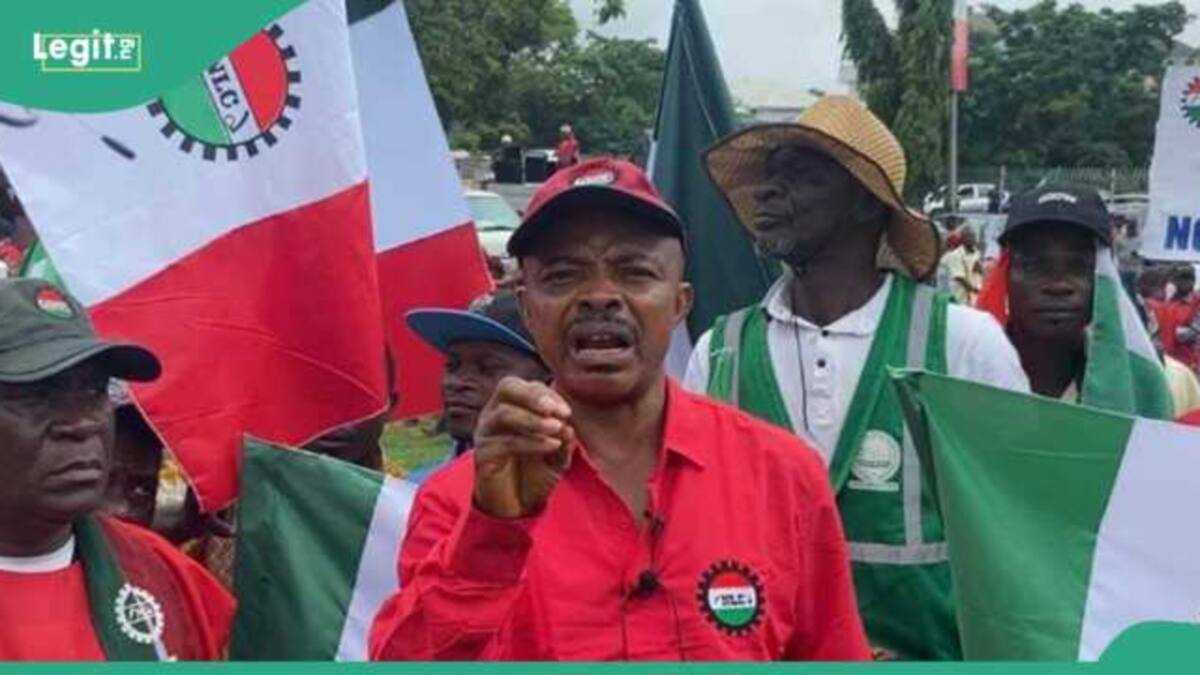
The Nigeria Labour Congress has called on the Federal Government to take urgent steps to reduce petrol prices, introduce a nationwide wage award and begin negotiations for a new national minimum wage ahead of 2027.
The demands were contained in an Independence Day statement signed by NLC President Joe Ajaero as Nigeria marked its 66th Independence Anniversary.
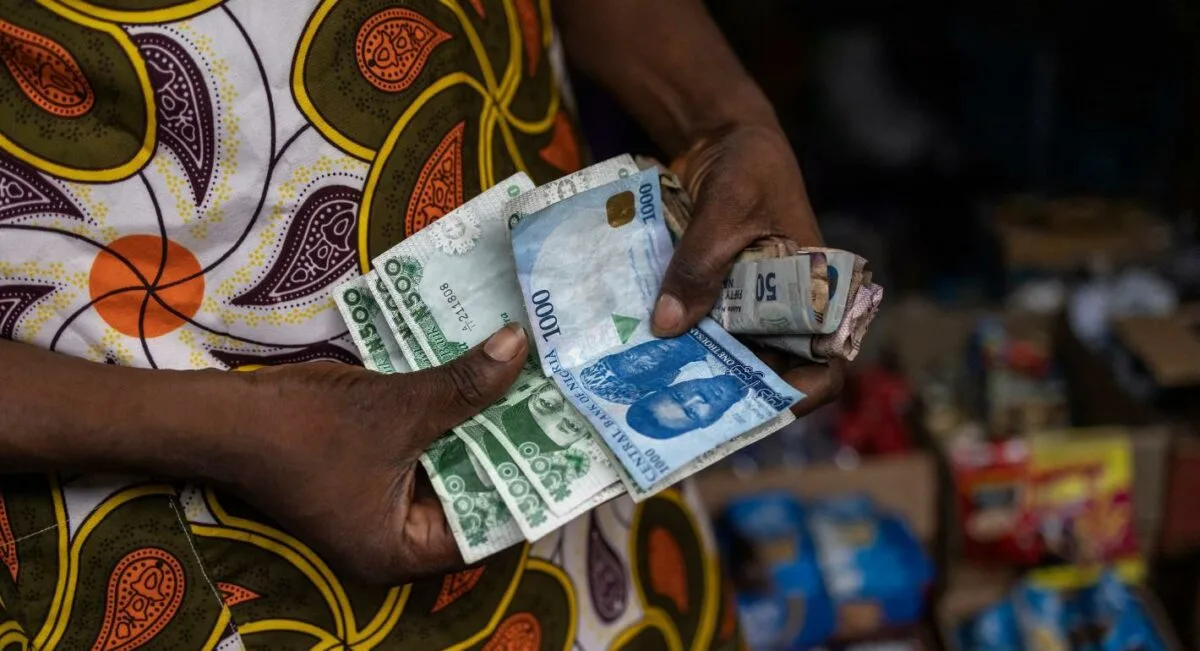
The labour centre said Nigerian workers were facing mounting economic pressure as inflation and higher transportation costs continued to reduce the purchasing power of wages. It linked the rising cost of transport to increases in the prices of food, education, housing and other essential services.
The NLC specifically called for an immediate reduction in petrol prices, arguing that the cost of Premium Motor Spirit has become a major burden on workers and households.
According to the union, petrol was selling for about ₦1,430 per litre or higher in major cities at the time of its statement, with prices reportedly higher in some less accessible locations. The union argued that lowering transportation costs would be important in reducing pressure on household budgets.
The labour organisation also questioned how the savings generated from the removal of the petrol subsidy have been utilised. It criticised Nigeria's continued reliance on imported refined petroleum products and argued that greater domestic refining capacity could reduce exposure to international oil-price movements.
On wages, the NLC said the current ₦70,000 national minimum wage had already lost significant purchasing power because of inflation.
The union therefore wants the Federal Government to immediately constitute a tripartite committee involving government, employers and organised labour to begin negotiations for a new minimum wage expected to take effect in 2027.
The NLC also demanded a nationwide wage award covering workers at the federal, state and local government levels. It described the measure as an emergency intervention that could provide temporary relief while broader wage negotiations take place.
The labour centre further accused the government of not fully implementing some tax-relief commitments it said were contained in an earlier agreement with organised labour.
Beyond wages and fuel prices, the NLC raised concerns about insecurity and its impact on economic activity. The union argued that workers such as farmers, teachers and healthcare professionals cannot effectively perform their duties in areas where insecurity threatens their safety.
It also linked poverty and inequality to the wider security challenge, arguing that economic hardship and insecurity should be addressed together rather than treated as completely separate issues.
The NLC's statement also addressed the approaching 2027 elections. It cautioned politicians against intimidation, electoral manipulation and the use of ethnic or religious rhetoric capable of deepening divisions.
The union said it would release its Workers' Charter at the appropriate time, outlining the policies and political positions it considers relevant to workers. It also stressed that individual workers retain the right to make their own political choices.
The NLC's demands come alongside a separate warning from public-sector unions under the Joint National Public Service Negotiating Council.
The JNPSNC, which comprises eight public-sector unions, had set September 30 as a deadline for the Federal Government to respond to demands that included reducing petrol to ₦500 per litre, approving a wage award and beginning negotiations for a new minimum wage. The council said failure to meet the demands could trigger a three-day warning strike beginning October 2.
The proposed industrial action is a separate position by the JNPSNC, although it aligns with several of the issues raised by the NLC.
The NLC's Independence Day intervention therefore places the cost of living, workers' earnings, fuel prices, insecurity and the 2027 political environment at the centre of its message to the Federal Government and Nigerians.
As the country marks 66 years of independence, organised labour is calling for measures it says can restore purchasing power, reduce pressure on households and improve the economic conditions facing workers.
Reporting by TalkNaijaMedia



Reader Comments (0)
No comments yet. Be the first to share your perspective on this report.