

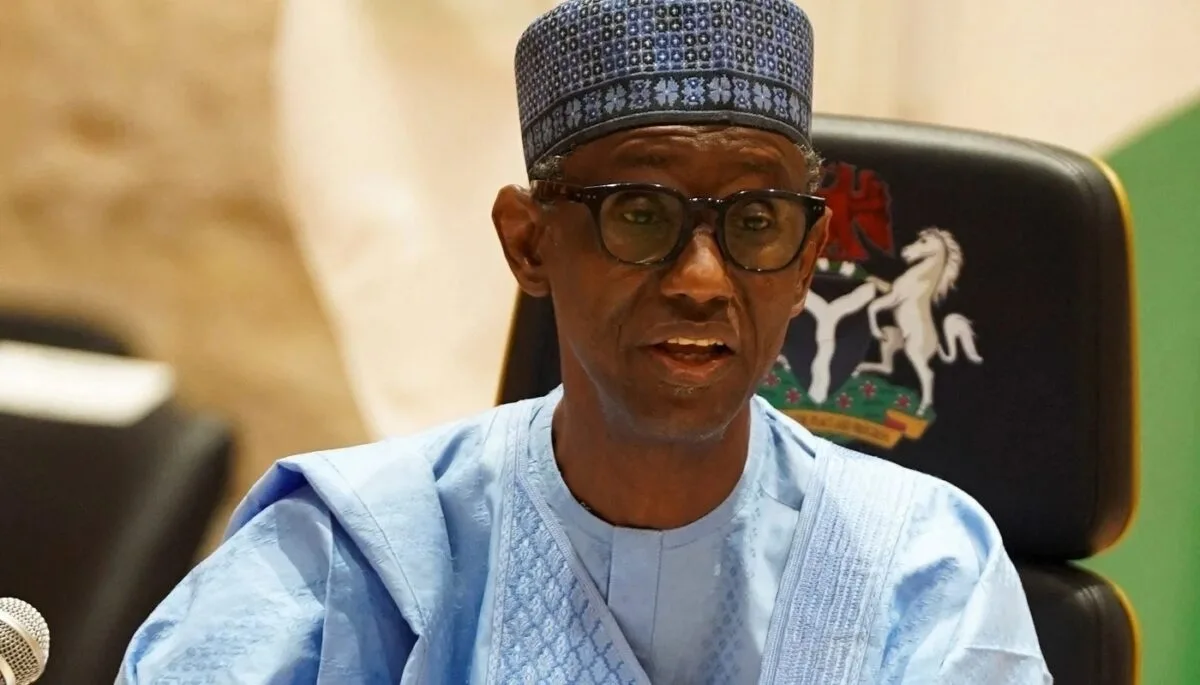
The programme, organised by the National Counter Terrorism Centre under the Office of the National Security Adviser in collaboration with the African Union Counter-Terrorism Centre, brings together security officials and specialists from across the region to strengthen responses to technology-related security threats.
The Acting Director of the AU Counter-Terrorism Centre, Idriss Lalalli, said groups including the Islamic State West Africa Province (ISWAP), Boko Haram and Jama’at Nusrat al-Islam wal-Muslimin (JNIM) were increasingly using digital platforms to expand their reach and support their activities.
According to Lalalli, terrorist organisations were exploiting social media to spread propaganda and attract recruits, while digital financial channels were being used to move funds. He also raised concerns about the misuse of artificial intelligence, drones and other emerging technologies.
He warned that the affordability and speed of digital tools had made it increasingly difficult for security agencies to identify threats and respond effectively, particularly where countries lacked the necessary technical expertise and resources.
Lalalli said specialised training, stronger regional cooperation and partnerships with private-sector organisations would be important in closing these gaps.
He explained that the training programme would strengthen participants’ knowledge of cyber threat intelligence, open-source intelligence, digital forensics and blockchain analysis. These skills are intended to help investigators identify online recruitment activity, preserve electronic evidence and examine financial transactions linked to suspected terrorist activity.
He also called for closer cooperation with social media companies, telecommunications operators and financial service providers, noting that many of the digital platforms and services used by terrorist groups are operated by private organisations.
Representing Ribadu at the event, the National Coordinator of the National Counter Terrorism Centre, Major General Adamu Garba Laka, said terrorist groups were using digital platforms to spread propaganda, radicalise potential recruits, raise funds and coordinate activities across national borders.
Laka warned that developments in artificial intelligence, unmanned aerial systems and virtual assets were adding new challenges to counterterrorism efforts in Nigeria and neighbouring countries.
He stressed that security agencies needed to improve their ability to anticipate and investigate technology-related threats before they escalated. He also emphasised that an effective response required more than acquiring sophisticated equipment.
According to the NSA’s statement delivered at the event, Nigeria must invest in technical skills, strengthen institutions and improve cooperation among security agencies. Greater cross-border intelligence sharing and the timely exchange of relevant threat information were also identified as priorities.
The government’s position, as presented at the conference, was that no single country or institution could tackle terrorism effectively without cooperation from regional partners and other relevant sectors.
Ribadu also disclosed that Nigeria was working with the African Union Counter-Terrorism Centre to secure accreditation for the National Counter Terrorism Centre as a regional centre of excellence for counterterrorism in West Africa and the Sahel.
The initiative follows President Bola Tinubu’s declaration at the High-Level Africa Counterterrorism Summit in April 2024, according to the statement presented at the conference.
Participants included representatives of West African and Sahelian countries, the African Union, the Economic Community of West African States, the Multinational Joint Task Force, regional intelligence bodies and international organisations.
The conference reflects growing regional attention to the role of digital technology in security threats and the need to strengthen investigative capacity, information-sharing arrangements and cooperation between governments and private-sector operators.
Reporting by TalkNaijaMedia

Reader Comments (0)
No comments yet. Be the first to share your perspective on this report.