

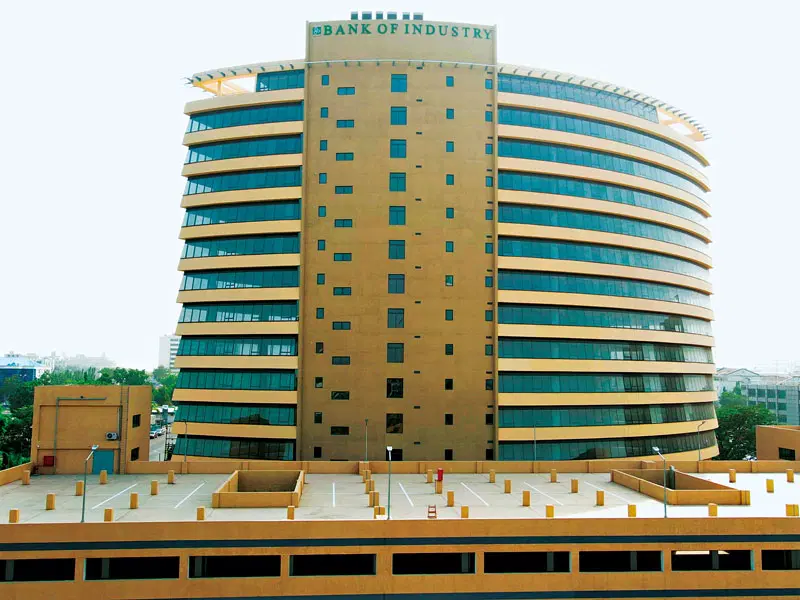
The funding includes a €1.879 billion syndicated facility secured in 2024, €210 million from international development partners in 2025, and two European Investment Bank facilities worth €85 million for agriculture and €50 million for healthcare manufacturing in 2026. The bank also raised ₦250 billion through a development bond that was oversubscribed.
Olusi said the transactions reflected investor confidence in the bank’s governance, lending operations and development objectives. He explained that the additional capital would help address the shortage of affordable, long-term financing available to businesses, particularly those operating in productive sectors of the economy.
“Nigerian businesses need long-term, affordable capital, and the commercial banking system cannot provide enough of it. Filling that gap is our job,” he said.
The €1.879 billion syndicated facility received the Syndicated Loan Deal of the Year award at the Global Banking & Markets Africa Awards in 2025. Meanwhile, the strong demand for the bank’s ₦250 billion bond demonstrated the capacity of Nigeria’s domestic capital market to mobilise funding for long-term investment.
The European Investment Bank facilities are intended to strengthen agricultural value chains and support local pharmaceutical, vaccine and diagnostic manufacturing. The investments are expected to contribute to domestic production, reduce reliance on imports and improve Nigeria’s capacity to meet essential food and healthcare needs.
Under its 2025–2027 corporate strategy, BoI plans to double its loan book, disbursements and development impact instruments within three years. The bank has prioritised 15 sectors covering agro-manufacturing, other manufacturing, infrastructure, extractive industries and services.
Olusi said manufacturing and infrastructure accounted for 80 per cent of the bank’s large-enterprise lending, reflecting the importance of these sectors to job creation, domestic production and economic expansion.
The bank also reported increased financing activity in 2025, when it disbursed ₦644.9 billion to 12,501 businesses. This represented a 26 per cent increase from the ₦510.9 billion disbursed in 2024. According to the bank, the funding created or supported approximately 1.68 million jobs.
Women-owned businesses received ₦120.9 billion, while micro, small and medium-sized enterprises accounted for 41 per cent of total disbursements, exceeding the bank’s target of 35 per cent.
Beyond its regular lending activities, BoI is implementing a ₦200 billion Federal Government intervention package comprising the ₦50 billion Presidential Conditional Grant Scheme, a ₦75 billion MSME Intervention Fund and a ₦75 billion Manufacturing Sector Fund.
The bank said more than 95 per cent of the intervention package had been delivered, reaching 957,400 grant beneficiaries, 9,000 MSMEs and 104 large manufacturers.
Its agricultural financing activities have also expanded, with ₦213 billion disbursed to agro-allied businesses and 47,508 smallholder farmers connected to processors.
Through its Rural Area Programme on Investment for Development, BoI disbursed ₦6.5 billion to 880 rural enterprises across the 36 states and the Federal Capital Territory, supporting more than 8,000 jobs.
Looking ahead, Olusi said the bank would deploy the new European Investment Bank facilities to agriculture and local healthcare manufacturing while expanding support for information and communications technology businesses through the Investment in Digital and Creative Enterprises programme.
The bank is also working with the Federal Ministry of Industry, Trade and Investment on a proposed National Industrial Finance Compact aimed at mobilising additional long-term capital for industrial development.
The latest funding drive forms part of broader efforts to strengthen Nigeria’s manufacturing base, expand access to finance and encourage local value addition. Its ultimate impact will depend on how effectively the funds reach eligible businesses and translate into higher production, sustainable employment and stronger industrial capacity.
Reporting by TalkNaijaMedia


Reader Comments (0)
No comments yet. Be the first to share your perspective on this report.