

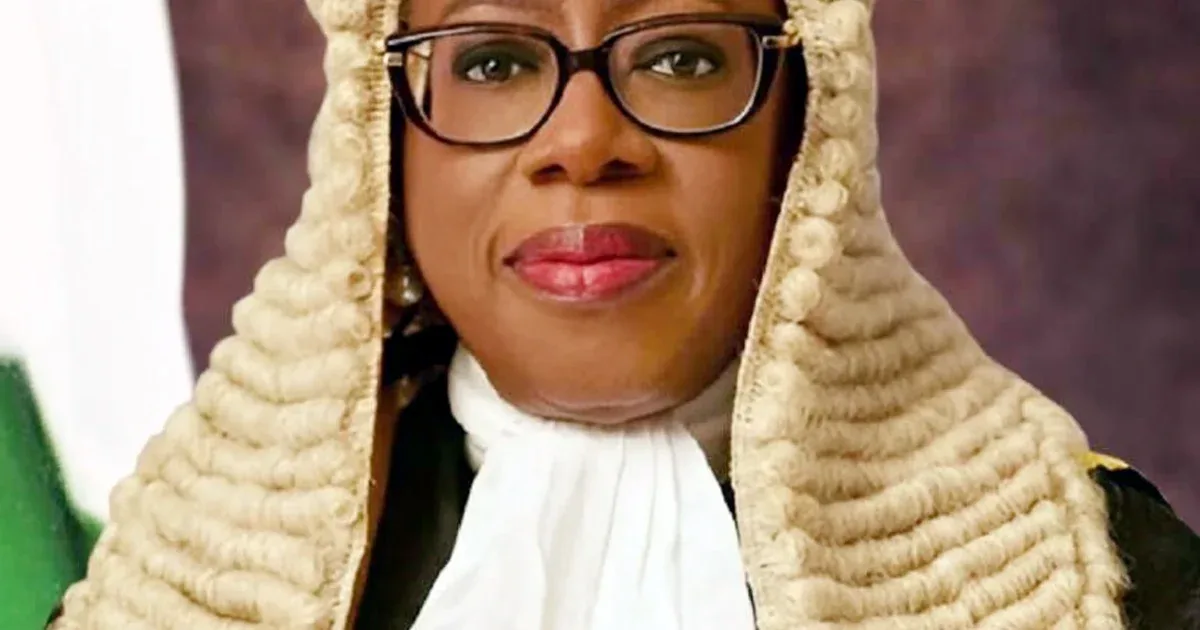
She said election-related disputes often attract intense public attention and place considerable pressure on the judiciary, making impartiality, professionalism and strict adherence to the law particularly important.
According to the CJN, political interests, public sentiment and the urgency attached to a case must not influence how judges interpret and apply the Constitution, the Electoral Act and relevant court rules.
She urged heads of courts to establish effective administrative arrangements for handling election-related cases promptly and in an orderly manner, while ensuring that judicial officers carefully examine applications and demand full disclosure of relevant information.
Kekere-Ekun also cautioned against the misuse of urgent applications and ex parte orders to gain an unfair advantage in legal disputes. She stressed that judges must consider related proceedings before them and uphold established judicial safeguards.
The CJN described forum shopping, in which litigants seek a perceived favourable court or initiate overlapping proceedings, as a practice that can undermine consistency in judicial decisions, encourage abuse of court processes and damage public confidence in the judiciary.
She warned that no litigant should be allowed to manipulate judicial procedures to secure a preferred outcome, particularly as political and electoral disputes increase ahead of the 2027 polls.
Beyond election-related cases, Kekere-Ekun expressed concern about delays in the administration of justice, noting that prolonged proceedings impose financial and emotional burdens on litigants and can weaken confidence in the legal system.
She acknowledged that inadequate funding, infrastructure and judicial manpower contribute to delays but said some problems could be addressed through better court administration.
Poor case scheduling, repeated adjournments, inefficient docket management and failure to monitor inactive cases, she noted, can unnecessarily prolong proceedings.
The CJN therefore urged heads of courts to regularly review pending cases, identify matters that have remained unresolved for extended periods and develop practical strategies for reducing backlogs.
She said court administrators should understand the number of pending cases, how long they have remained unresolved and the reasons for the delays, using that information to improve hearing schedules and allocate judicial resources more effectively.
However, she cautioned that efficiency should not be measured solely by the number of cases disposed of. She emphasised that justice must be delivered fairly and within a reasonable period without compromising litigants’ right to a fair hearing.
On judicial appointments, Kekere-Ekun called for transparent and merit-based selection processes, urging heads of courts to resist external pressure and prioritise competence, integrity and suitability.
She said public confidence in the judiciary partly depends on the credibility of the process through which judicial officers are appointed.
The CJN also called for stronger professional standards, continued training and mentorship for newly appointed judges. She proposed structured arrangements through which less experienced judicial officers could learn from senior colleagues before sitting independently.
She further directed heads of courts to strengthen supervision of court sittings, ensure judges commence proceedings on time and establish reliable procedures for notifying lawyers and litigants whenever a sitting is cancelled.
Kekere-Ekun described punctuality as a professional obligation, expressing concern about situations in which people travel long distances and incur substantial expenses only to discover that their cases will not be heard.
She also emphasised the importance of respectful courtroom conduct, saying every litigant deserves dignity regardless of social status, financial means or educational background. Lawyers, she added, should be treated courteously, while judges must maintain control of proceedings without humiliating those appearing before them.
The CJN urged judicial authorities to ensure courtrooms remain professional environments free from bullying and harassment. She also called for sustained investment in court support personnel, including registrars, research officers, administrative staff and information technology workers.
Earlier, NJI Administrator and retired President of the National Industrial Court of Nigeria, Justice Babatunde Adejumo, said the judiciary remained under close public scrutiny because of its responsibility to uphold justice and the rule of law.
Adejumo described the annual roundtable as an opportunity for heads of courts to discuss common challenges, exchange experiences and develop solutions to problems affecting the administration of justice.
He said the programme was designed to give judicial leaders room to direct discussions and determine outcomes, while commending Kekere-Ekun for reforms he said had strengthened judicial independence and integrity.
The CJN’s warning comes as preparations for the 2027 general elections approach, placing renewed attention on the judiciary’s role in resolving political disputes impartially and maintaining public confidence in the electoral process.
Reporting by TalkNaijaMedia





Reader Comments (0)
No comments yet. Be the first to share your perspective on this report.